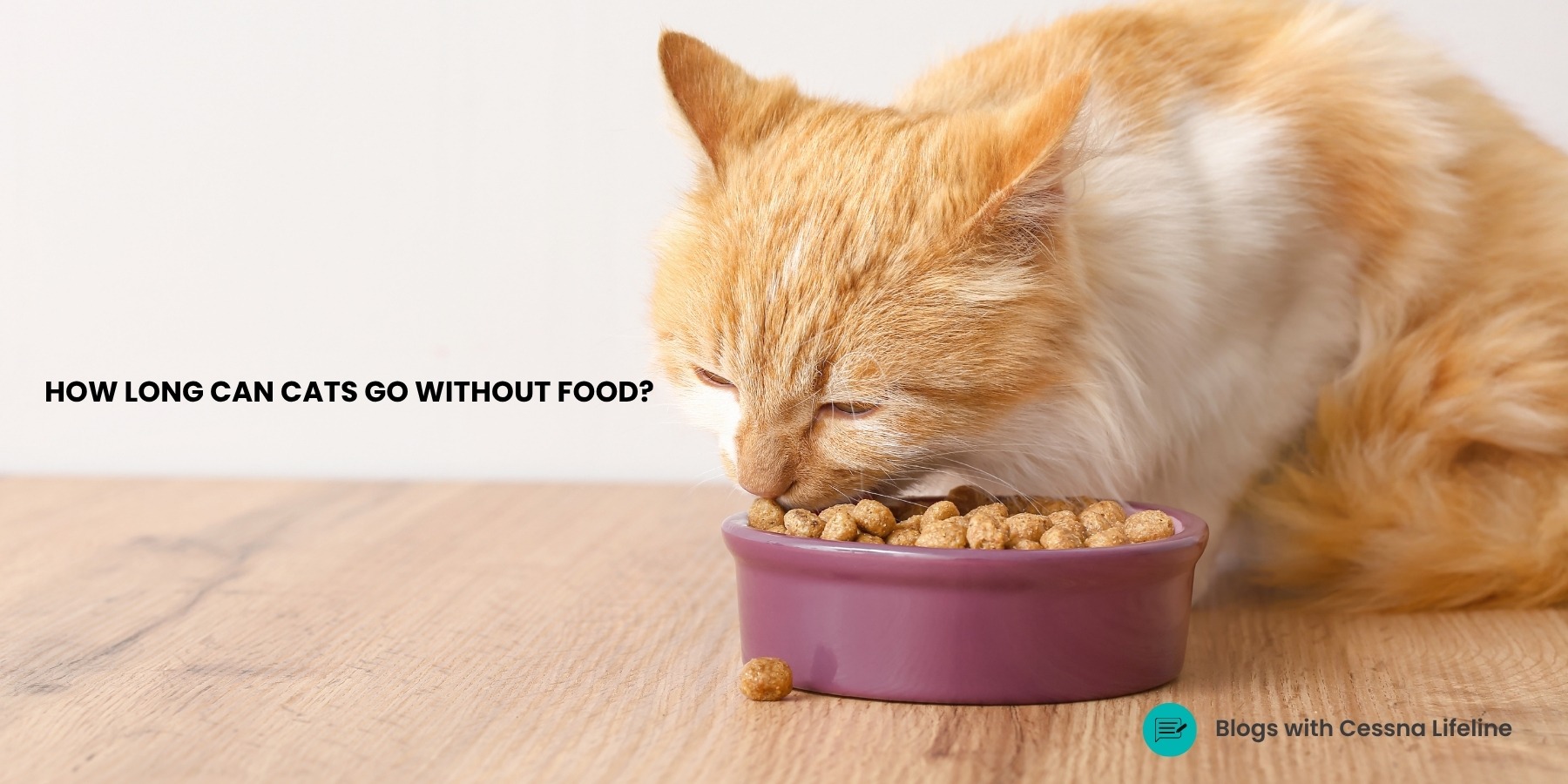
Cats are often thought to be independent in nature, but one thing that makes cats dangerous is how quickly they can run out of food. Whether you are caring for a sweet kitten or a giant Maine Coon cat, knowing how long your cat can last without food is critical to their health and overall well-being.
How Long can Cats Survive without Food? A healthy adult cat can typically survive for somewhere between 3 to 5 days without any food (as long as they have plenty of access to water). However, just because a cat can survive this long does not mean that this is a safe situation for the cat. As cats are obligate carnivores, their body cannot deal with an extended period of fasting.
A cat's metabolism will begin changing after 24 hours without food. By the second or third day, cats can develop a serious condition called hepatic lipidosis (fatty liver disease), which can be life-threatening if left untreated.
What about Water? Cats can survive only 2–3 days without water. Dehydration sets in quickly and can cause kidney failure, especially in cats already on renal cat food or those with underlying health issues.
Do different Cats have different Limits? Yes. The length of time a cat can go without food may vary based on several different factors:
Age: Kittens, including Maine Coon kittens for sale, have specific feeding requirements and should never skip a meal. Missing a meal during a kitten's age (12-24 hours) could be dangerous.
Breed & Size: Large breeds like Maine cats or a white coon cat may appear robust, but they are just as vulnerable.
Health Conditions: Cats on special diets, like gastrointestinal cat food or renal diets, are at higher risk.
Body Fat: Cats that are overweight are also more likely to develop fatty liver disease if they cease eating for any reason.
Signs your Cat is not Eating Enough If your cat refuses food, below are a few indicators:
A change to a high-quality and nutritionally complete food will usually resolve these issues. Check out the premium cat food available at Cessna Pet Store.
Supporting your Cat’s Health An appropriate, nutritionally balanced diet, grooming routine, and stimulation of the brain are important for maintaining your cat's health. To help ensure that you maintain your cat's health, consider the following:
Provide your cat with a specific type of diet for kidney/digestion health.
Groom your cat regularly, or give your cat a dry bath, for cleaning.
Preventive care through a healthcare plan for your cat.
Find quality, engaging, and stimulating toys to play with your cat, thus relieving any stress from your cat.
Where to Shop Trusted Cat Products in India Cessna Pet Store has everything you need for taking care of your cat in India; everything from food to grooming supplies to toy selection to healthcare products has been curated with your cat's well-being in mind.
If you need personalized guidance, feel free to contact the team.
FAQ 1. Can cats skip a meal occasionally? Yes, missing one meal may not be harmful, but cats should never go more than 24 hours without food.
2. How long can kittens go without eating? Kittens should not skip meals at all. Even 12 hours without food can be risky for young cats.
3. Why does my cat not want to eat dry food? Dental pain, boredom, and digestive issues may be some reasons why your cat has stopped eating dry food. You may switch their food gradually by introducing wet food alternatives. 4. Is it normal for Maine Coon cats to eat more? Maine Coon cats eat more than most other breeds due to their size; they require more calories to sustain their growth rate. The sudden cessation of normal feeding habits should raise immediate concern.
5. When should I see a vet if my cat isn’t eating? If a cat has not eaten anything for 24 hours or shows any signs of weakness or vomiting, a veterinarian should be contacted immediately.


 German
 Arabic