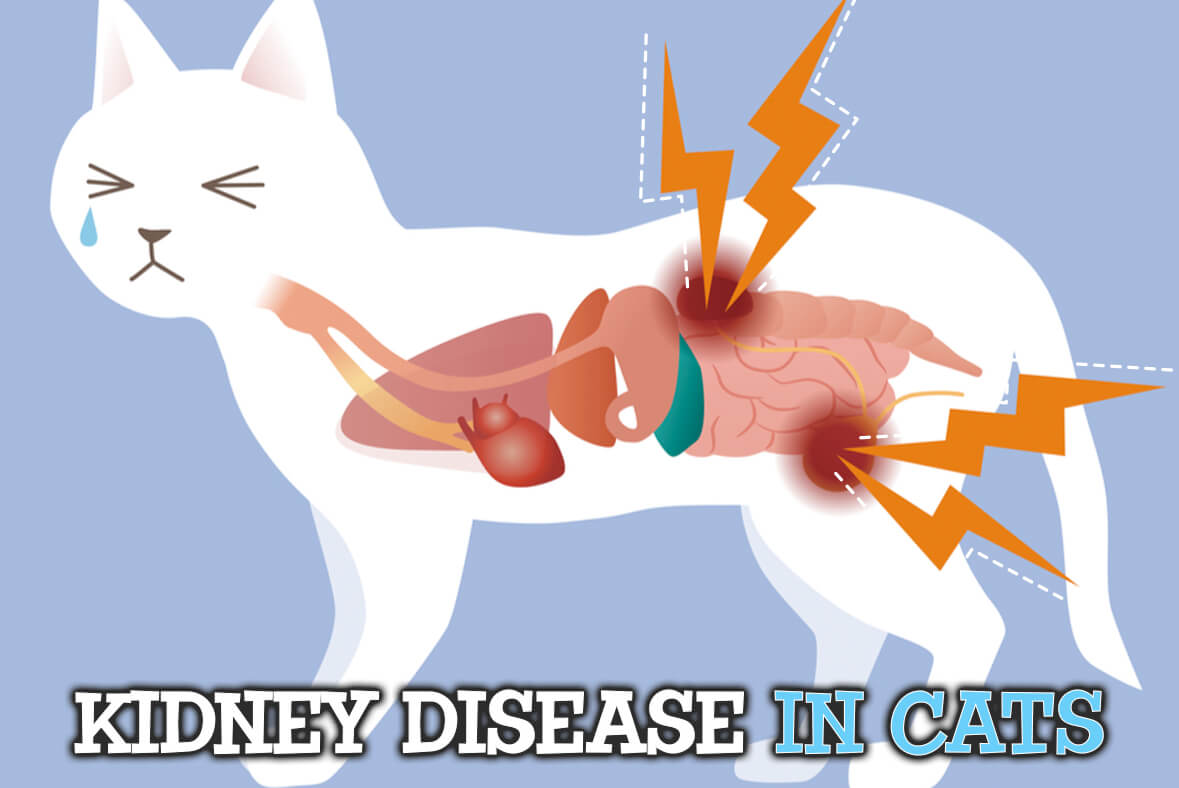
Similar to humans, cats and dogs can also experience kidney problems. In particular, kidney disease is a relatively common issue for cats, but it can be managed effectively. Although there is no known cure for kidney issues in cats, minor adjustments to their daily routines can enable them to live a happy and fulfilling life.

As a cat parent, one of the most significant changes you may need to make is your cat’s diet. To ensure your cat's kidneys function optimally, you will need to find the best cat food for kidney disease. However, with numerous cat food options available for specific conditions, it can be overwhelming to choose the right one, especially when you are already distressed by your cat's recent diagnosis.
What Does Cats’ Chronic Kidney Disease?
Cats' kidneys are made from millions of tiny filters known as nephrons. These nephrons cleanse the cats’ bloodstream by removing harmful toxins from it and recycling healthy elements like essential minerals and amino acids.
Chronic Kidney Disease (CKD) is caused in cats’ when their kidneys start to lose nephrons and malfunction. There are several reasons for kidneys to start losing their nephrons, such as an inherited condition, a severe disease or a bad injury.
Because of nephron malfunctioning, the kidney fails to remove the harmful toxins and recycle them into minerals or amino acids. Due to this malfunction, the toxins and waste start to collect in the cats’ bloodstream, gradually damaging the kidney tissues, causing injury to the kidney and other clinical signs.
Symptoms of Kidney Problems in Cats
Some indications of kidney disease may involve shedding pounds, having a heightened thirst, and urinating more often than usual.
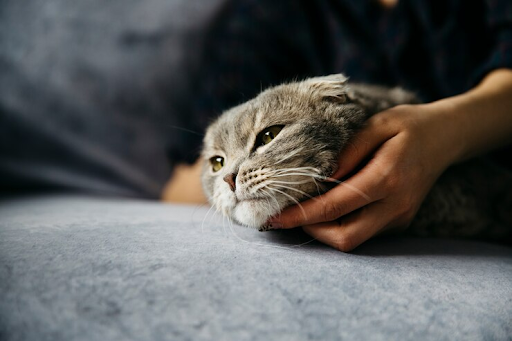
If you notice your furry feline arching their back or moving with a stiff-legged gait, it may indicate that they are experiencing kidney pain. Additionally, if your cat is either urinating more frequently or less frequently than usual, it could be a sign of acute kidney failure. It's important to keep an eye out for these symptoms and seek veterinary care if necessary to ensure the health and well-being of your beloved pet.
Chronic kidney failure can develop slowly over many years, making it difficult to detect. Symptoms of the disease may only appear when it has already progressed significantly. Fortunately, with proper treatment, many cats with chronic kidney failure can enjoy a good quality of life for many years.
Symptoms of kidney problems in cats in the end stage vary in many ways, including those already mentioned, as well as hollow and lackluster eyes, difficulty walking, unpleasant body odor, bladder or bowel incontinence, seizures, confusion, loss of appetite and thirst, twitching, blindness, pacing, restlessness, withdrawal, hiding, and attempting to escape.
Now that you have learned about what CKD is and its symptoms, it is time to take a look at their renal diet food list. All the foods mentioned in the list are made from pure ingredients and are good for the kidneys.
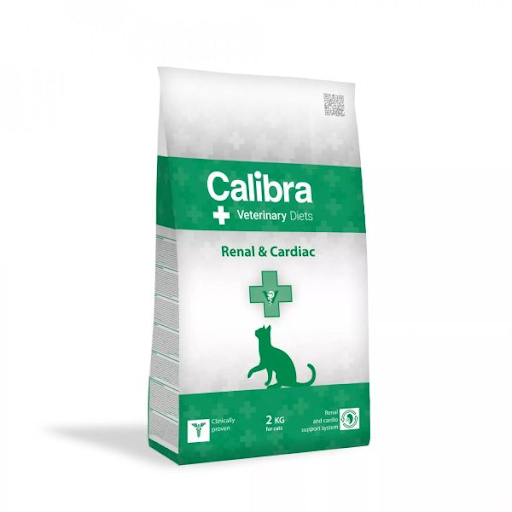
1. Calibra VD Cat Renal & Cardiac
Calibra has developed a special diet for cats called Calibra VD Renal & Cardiac, which supports both the heart and blood circulation, as well as the kidneys and excretory system. This diet is designed to balance and support the Renal and Cardiac Support Systems, which are closely linked.
2. Farmina Vet Life Renal Feline Formula Cat Wet Food
The Farmina Vet Life Renal is a comprehensive dietary food designed for cats to aid in supporting renal function during instances of chronic or temporary renal insufficiency. This specialized food contains low levels of phosphorus and protein, but it is of high quality.
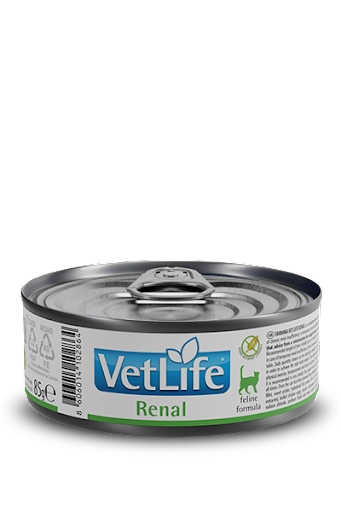
It is recommended to consult a veterinarian before using and prolonging the usage of this product. To ensure optimum results, serve at room temperature as specified in the table.
3. Royal Canin Veterinary Diet Feline Renal Support E
Royal Canin Renal Support E is a delicious wet cat food that is specially designed to
promote the kidney health of adult cats under veterinary supervision. The "E" in the name stands for enticing, as this formula can help to stimulate your cat's appetite.
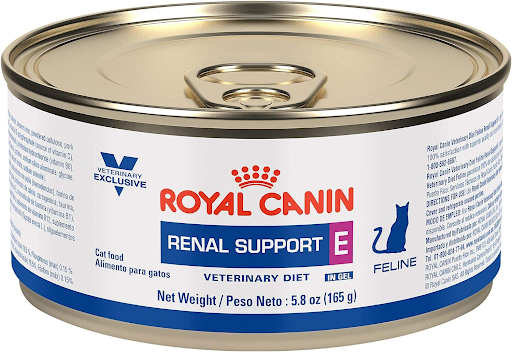
This soft pate cat food can be mixed with other Royal Canin Renal Support formulas, whether dry or wet, the perfect combination to encourage your cat to eat. This energy-dense diet provides nutritional support in smaller portions, as cats with kidney problems tend to have decreased appetites. Additionally, it contains a precise antioxidant complex, fatty acids from fish oil, low phosphorus, and targeted protein levels to help support kidney function.
4. Hill’s Prescription Diet K/D Kidney Care
If your cat is already experiencing kidney problems, Hill's Prescription kidney food may be a better choice than the "early care" option from Hill's Science. This formula comes in both seafood and chicken flavors and provides everything your cat needs to improve kidney function.

The Enhanced Appetite Trigger formula is designed to increase food intake for unwell cats and includes more than the regular requirement of essential amino acids to support lean muscle mass development.
5. Blue Buffalo Natural Veterinary Diet K+M Kidney + Mobility Support Dry Cat Food
If your cat has kidney problems, consider the Blue Buffalo Natural Veterinary Diet food. This dry kibble has been pre-approved by vets and is specially formulated to support cat kidney function and joint performance. The core ingredient is chicken, which is rich in protein, but the protein levels have been controlled for kidney support.

Additionally, this natural cat food contains a variety of added vitamins, minerals, and nutrients to help keep your cat healthy. It even includes glucosamine and chondroitin to improve mobility in older cats.
Over to You!
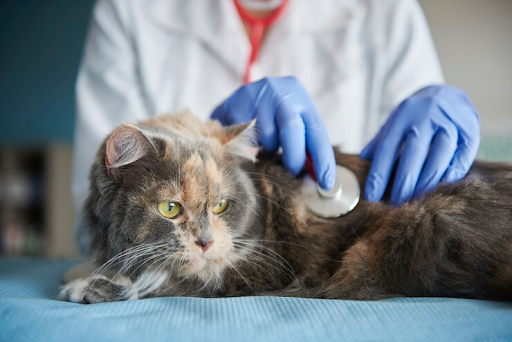
For cats suffering from kidney disease, it is crucial to have regular vet check-ups to monitor the progression of the disease and to check their blood work. If your cat is taking medication, regular blood work can help you keep track of its effectiveness and assist the vet in adjusting the dosage of specific nutrients if necessary.
If your cat has kidney disease, it's crucial to provide them with a diet that meets their nutritional requirements without putting undue strain on their kidneys. Before attempting to make your own cat food, it's important to do your research and fully comprehend what you're getting yourself and your feline companion into. Straightly consult a vet if you have any kind of second thoughts about your choice or your cat’s health.
Happy Pet, Happy You!!!


 German
 Arabic