Mealtime should be peaceful - for you and your dog. Yet many pet owners struggle with begging, barking, nudging, or general chaos when it’s time to eat. Teaching your dog good dog mealtime manners not only makes dinners more pleasant but also reinforces your role as the calm, consistent leader.
Basic Mealtime Manners for Dog Follow this step-by-step approach to develop good dog food manners and get better dog behavior at dinner time.
1. Start with a predictable routine Dogs appreciate consistency. Schedule feeding time so that they get fed around the same time every day. This way, they know when food will show up, and you cut down any potential anxiety and impulsiveness. Some trainers will suggest even feeding the dog 3 times a day, especially when you're in training mode during the day, because of over-hunger triggering begging behavior.
2. Teach “sit” and “wait” before giving the bowl Before putting down the food bowl, ask your dog to sit (or lie down) and wait until you give a release cue like “OK” or “take it.” Don’t let the dog bolt at the bowl. If they break position, lift the bowl away and ask them to resume. Over time, they learn that good behavior gets results.
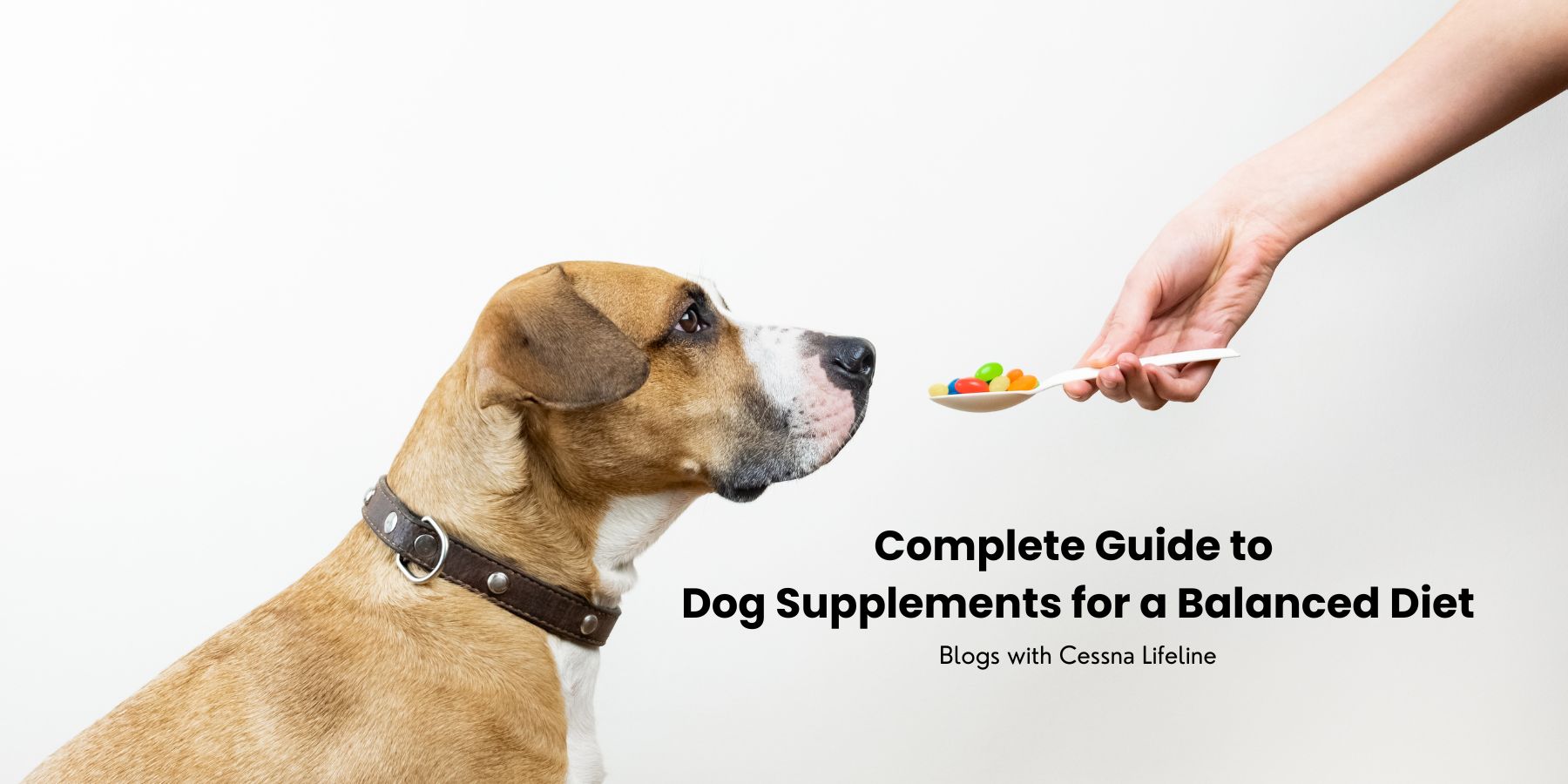
3. Hand-feed part of the meal Offering part of your dog’s meal by hand (in a closed fist or on a spoon) helps reinforce calm, gentle intake. If your dog snaps or lunges, keep your hand closed. When they nose or lick gently, open your hand and let them have the food. This shows that you control access to food and builds trust.
4. Slow down “gulpers” If your dog eats too fast (gobbles the food), add obstacles like safe, large inert items in the bowl (too big to swallow) so they must nudge them aside. Or use slow-feed bowls or “maze” bowls. These force the dog to slow down and practise patience.
5. Designate a “mealtime spot” Create a spot (a mat or bed) away from the dining table or kitchen. Have your dog go there and stay there until dinner is done. Use either the “stay” cue if your dog knows it, or use "down + stay." If your dog is in a settled position, stay or down, use a reward or verbal praise to encourage your dog to stay. Eventually, this place will become their default spot when people are eating.
6. Don’t feed from the table It’s tempting to slip your dog scraps while you eat, but that reinforces begging. Make it a house rule: no table feeding ever, even when you feel sorry for them. If you must offer a treat, walk away and give it after meals, perhaps for a trick or command.
7. Distract and engage While you eat, give your dog a puzzle toy, a chew, or a Kong stuffed with a bit of their regular food. This redirects their attention and gives them something positive to occupy them. Over time, they’ll associate mealtime with this calm activity.
8. Be consistent and patient Consistency is paramount. Everyone in the household must follow the same rules (no sneaking scraps, no giving in). Changing rules day to day confuses the dog. Don’t scold harshly - if they mess up, simply withhold the bowl, reset, and try again. Reinforce success with praise or occasional treats.
9. Monitor resource guarding If your dog growls, stiffens, or guards food, don’t force them. Seek help from a behaviorist. But you can start by practicing “drop it” and “trade” games, and gradually desensitize food handling under calm conditions.
10. Use high-quality (and appropriate) dog food Providing a balanced, nutritious diet ensures your dog’s hunger is satisfied and reduces their obsession with scavenging. For example, Cessna Pet Store offers a wide range of dog food options (regular, grain-free, wet/canned, senior dog food) to match your dog’s needs:
The Cessna Pet Shop is a great resource in India for helping you support your dog's nutritional and behavioral health needs with the purchase of quality dog foods.
Conclusion Teaching your dog good basic mealtime manners requires a significant amount of consistent practice, patience, and enforcement of a straightforward set of house rules. With positive reinforcement, setting limits for feeding, and food selection, we can transform tricky dinners into non-stressful and enjoyable experiences. Good dinner behavior lessens stress for you and increases your pet's sense of security and trust. With some effort and proper nutrition from Cessna Pet Store, you will feel comforted to know your dog is a well-mannered member of your family at the dinner table.
FAQ 1. How long does it take for a dog to learn good mealtime manners? It truly depends on the age of the dog, habits in the past and how consistent the environment is. You might see improvement in days; full habit change can take several weeks. 2. Can I feed treats from the table occasionally? It’s best avoided altogether because even occasional feeding teaches the dog that begging pays off. If you must, walk away from the table and give the treat after. 3. What if my dog is aggressive or resource guards food? Don’t force the issue. Work with a certified behaviorist who can guide you in gradual desensitization, “trade,” and positive reinforcement steps. 4. Should I always hand-feed part of the meal? Not always, but during training phases it’s beneficial. Over time, you can phase out hand feeding, but maintain the “wait” cue before the bowl is placed. 5. My dog eats very fast - are slow-feed bowls safe? Yes, slow-feed bowls or puzzle feeders are safe and beneficial. They force the dog to slow down and make mealtime more mentally engaging.
6. My family keeps sneaking food - how do I get everyone on board? Communication is key. Explain the reasoning: consistency prevents bad habits. Draw up house rules, stick to them, and gently but firmly enforce them.

 German
 Arabic