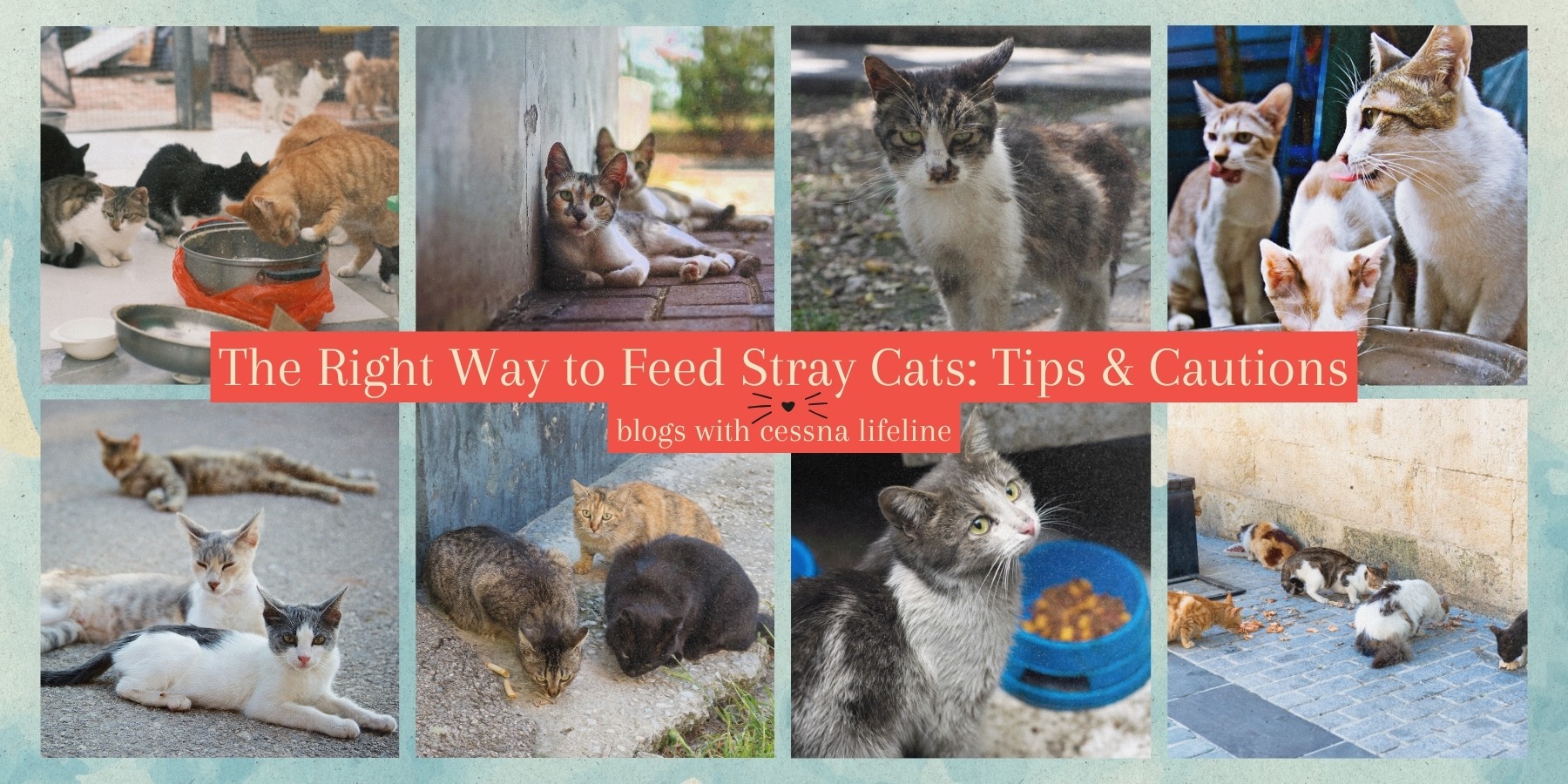
Chances of coming across stray cats in your city are very high and wondering what more can be done than just feeling bad for them is also on your mind. If we think from a stray animal’s POV, they are always dependent on us, who can offer them shelter and food. However, shelter can be provided easily, but when it comes to food, we have to think twice before feeding them.
Some compassionate humans might share their food with these little fur balls, but they are different from us, and so is their need for food. We cannot give cats the food that we eat. Many foods that we eat are harmful to cats, and they can lead to serious health issues. But if you feed them in the right manner with the right foods for their health, you can do wonders for their health.
So here we are with an informative blog, helping you know the right way to feed stray cats. If you are a passionate pet lover and cannot see any stray cat suffer from hunger, here are some tips and cautions that you need to consider before feeding any stray cat.
Importance of Feeding Stray Cats
It is tough for stray cats to get food constantly. House cats receive regular food, while strays mainly find food scraps, which may or may not be enough and/or healthy for them.
Most are malnourished, which leads to a wide range of health problems, such as a lack of immunity, dull fur, and infections. Because their bodies are not getting the nutrients they need from a healthy diet, they continue to be vulnerable to getting sick and being injured.
Of course, providing the right diet means that they will be healthy and energised, improve their general welfare, and increase their survival and recovery chances, especially in an extreme weather event.
Generally, if a stray cat is fed, they do not have to scavenge and engage in behaviors that put their safety at risk. They can even develop a sense of trust for humans that leads to long-term assistance.
How to Approach the Stray Cats?
Stray cats are not like house pets; they are often timid and sometimes scared of people. When feeding, be sure to approach them slowly and calmly.
Avoid any sort of sudden movements or direct eye contact with the cat while feeding. It may take several days before the cat begins to trust you enough to get closer to you, so go at the cat's pace when attempting to feed it.
Initially, feed a stray cat while standing further away, then take one step closer the next time, and see how they respond. Trust can only be built as we build rapport over time, never grab, pet, or force interaction upon a stray unless, of course, the cat is interacting with you first.
Do’s and Don’ts of Feeding a Stray Cat
Do’s
1. Grain-Free Cat Food
Grain-free cat food is ideal for stray cats as it mimics their natural carnivorous diet. It is rich in animal protein, low in carbohydrates, and easy to digest. These foods help maintain lean muscles and provide essential nutrients without fillers like wheat or corn, which can cause allergies.
2. Wet Cat Food
Wet food is an excellent choice, especially for strays with limited water sources. It has a high moisture content that keeps cats hydrated and supports kidney function. Packed with protein, vitamins, and minerals, it’s easier to chew and digest, making it perfect for malnourished or older stray cats. Regular wet cat food helps maintain energy levels, skin health, and a shiny coat.
3. Regular Cat Treats
Regular cat treats are great for bonding and training stray cats to trust you. They are often fortified with vitamins, taurine, and omega fatty acids. Use them sparingly to avoid overfeeding. Treats can also be used to hide medication or supplements if a stray cat needs them. Choose vet-recommended, grain-free options with minimal preservatives or artificial flavours for safe, guilt-free snacking.
4. Cooked Chicken or Fish (Plain)
Home-cooked, boneless chicken or fish (steamed or boiled without salt or seasoning) can be a nutritious supplement to commercial cat food. Rich in protein and essential amino acids, these foods help in muscle development and recovery. Always ensure the meat is fully cooked and free from bones to avoid choking hazards. This option works well when transitioning strays from scraps to a more structured diet.
Don’ts
1. Milk and Dairy Products
Although widely assumed to be cat-friendly, milk and dairy often cause more harm than good. Most adult cats are lactose intolerant, and consuming milk can lead to diarrhoea, bloating, and stomach cramps. Avoid giving stray cats milk, cheese, or cream. Instead, offer fresh water and wet food to keep them hydrated and healthy without gastrointestinal distress.
2. Bones and Leftover Meat Scraps
Feeding cooked bones or fatty scraps may seem harmless, but they can be dangerous. Cooked bones can splinter, causing choking or internal injuries, while fatty meat may lead to pancreatitis. Moreover, leftovers are often seasoned with salt, garlic, or onions, ingredients that are toxic to cats. Always avoid table scraps and stick to plain, cooked meats or packaged cat food instead.
3. Onions, Garlic, and Spices
Onions, garlic, and related spices are highly toxic to cats. Even small amounts can damage red blood cells and lead to anaemia. These ingredients are often found in cooked foods and leftovers, making them unsafe for feline consumption. Symptoms of toxicity include weakness, vomiting, and lethargy. Never feed cats food that has been cooked with any seasoning or spice blend.
4. Chocolate and Caffeinated Foods
Chocolate, tea, coffee, and anything containing caffeine are incredibly harmful to cats. These items contain substances like theobromine and caffeine that affect the heart and nervous system. Ingestion can result in tremors, seizures, and even death. Stray cats may be curious and nibble on sweets or drinks left outside be cautious not to leave such items accessible.
Be Extra Cautious in Winter
Feeding feral cats during the cold winter months takes extra consideration. In colder months, cats will need more calories to sustain their energy, so to help keep them warm, it can be helpful to either provide higher-fat content food or larger amounts of food. You can use warmed wet food or mix dry kibble with warm broth.
When possible, always keep the feeding area dry and sheltered. You can also try to place the food in some covered areas or pet houses made from cardboard and insulation material. Do not use metal bowls, as these can get too cold, freeze the water, or stick to their tongues.
If possible, use a heated bowl to provide water, or fill the bowl with water frequently so that it does not freeze.
Final Say
Feeding stray cats is a beautiful act of kindness, but it comes with responsibility. Choose nutritious, species-appropriate food, feed at consistent times, and always be mindful of their safety and environment.
Whether you’re leaving out grain-free food, healthy treats, or simply offering water in extreme weather, every small effort counts.
At Cessna Pet Store, we’re here to support all pet lovers, whether you are a dedicated stray cat feeder or a first-time pet parent. Explore our range of high-quality cat food and supplies today and make a difference in the lives of the furry souls that need it most.
Frequently Asked Questions
1. How to feed stray cats properly?
Place food in clean bowls in a quiet, safe spot. Feed at the same time daily to build trust. Provide fresh water and avoid overfeeding. Always clean up after to avoid pests and complaints.
2. How to feed a stray cat without scaring them?
Stay calm and avoid sudden movements. Place the food at a distance and walk away slowly. Let the cat approach on its own terms. Over time, shorten the distance as the cat gains trust.
3. How to feed a cat the right way?
Use clean bowls and offer nutritious, species-appropriate food. Keep feeding times consistent. Avoid feeding human food or milk. Make sure water is always available. Gradually build a routine the cat can rely on.
4. What is the best time to feed a stray cat?
Early morning or evening is ideal, as cats are most active during dawn and dusk. Choose a consistent time daily to help strays feel secure and come regularly for food and care.
5. What is the best food for stray cats?
Wet cat food is ideal for hydration, but dry kibble is more affordable and lasts longer. Avoid spicy or oily human food. Cooked chicken, fish, or rice can be given occasionally in moderation without salt.


 German
 Arabic