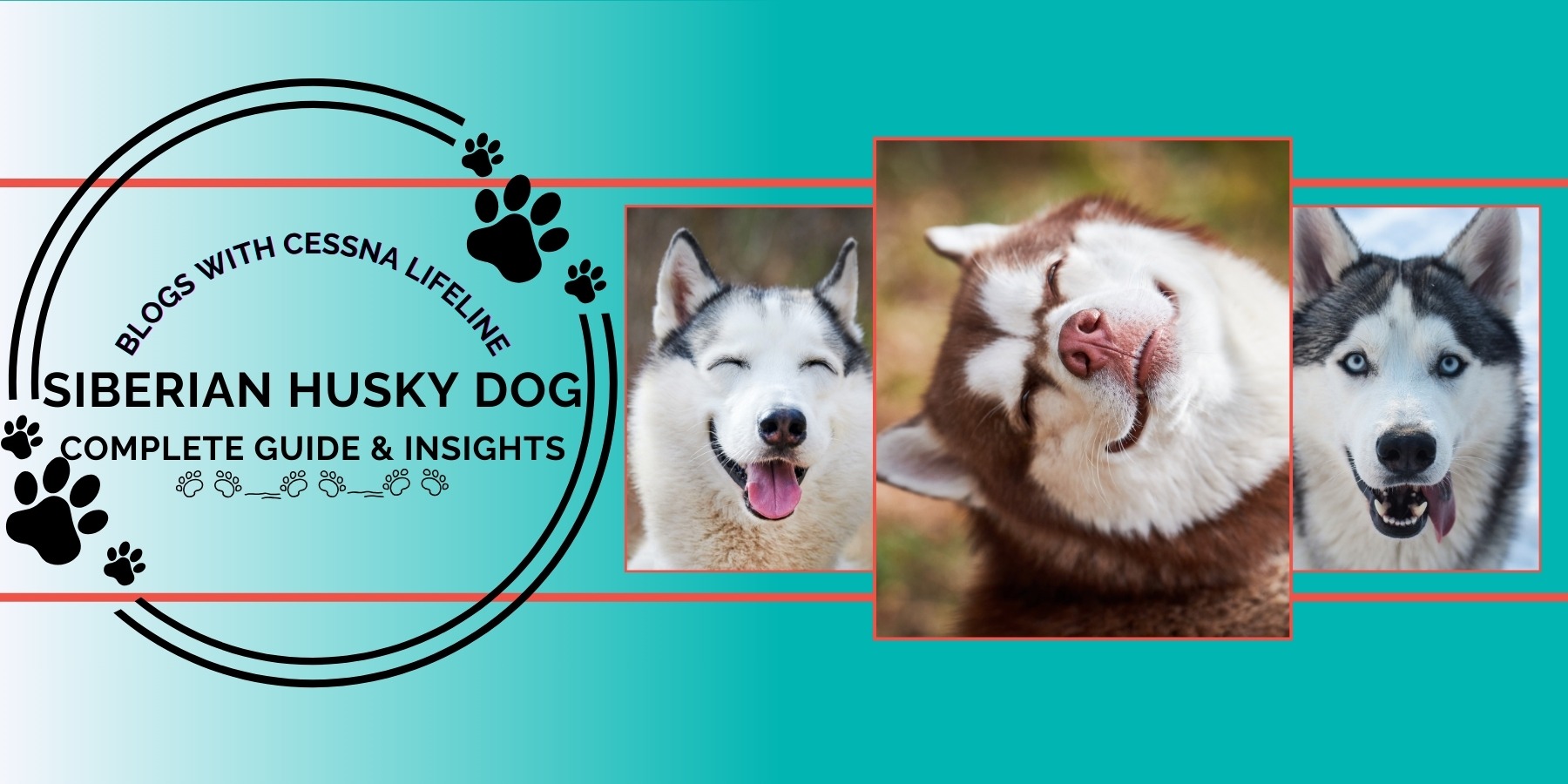
The Siberian Husky dog is one of the most striking and charismatic breeds out there. With piercing blue eyes, a wolf-like look, and an adventurous spirit, the Husky dog has found a growing fan base in India. But adopting a Siberian Husky isn’t just about aesthetics; this breed has specific needs, quirks, and challenges that every potential parent should know.
Whether you’re considering bringing home one of those fluffy husky puppies or already share your home with a Russian Siberian Husky, this guide covers everything from personality to training to food and health. Let us dig in.
Husky Personality and Temperament
Siberian Huskies are smart, friendly, and independent dogs. They were originally bred as sled dogs in extreme cold, so they’re wired for endurance and work. That heritage shows up in their high energy and stubborn streaks.
They are not guard dogs, despite their fierce look. In fact, Huskies are known for being too friendly, even with strangers. They love people and are pack animals, meaning they crave companionship. If left alone too long, they can get destructive out of boredom or anxiety.
Dr. Ramesh, Co-Founder at Cessna Lifeline says, “Huskies are intelligent but independent thinkers. You’ll need consistency and patience during training. Positive reinforcement works best.”
Husky Size Guide
Huskies are medium-sized dogs but powerful for their size. Here’s a basic size breakdown:
- Male Siberian Huskies: 21-23.5 inches tall; 20-27 kg
- Female Siberian Huskies: 20-22 inches tall; 16-23 kg
They grow quickly in the first year but reach full physical maturity around 18 months. Don’t be surprised if your husky puppy looks lanky for a while, it is part of their growth phase.
How Long Do Huskies Live?
A healthy Siberian Husky typically lives 12 to 15 years. Genetics, diet, exercise, and preventive health care all play a role in lifespan.
- Find the best vet-approved dog medicines for at home preventive care here.
What Does a Siberian Husky Eat?
Huskies do not require large full servings of food, but keep in mind they do need the best nutrition. They are efficient eaters thanks to their sled-pulling lineage. You want food that satisfies their protein requirements, sufficient fat, and necessary vitamins.
Dr. Ramesh further states, "Choose food that is suitable for your Husky according to age, weight, and activity level. Don't over-feed, they can gain weight fairly easily when not active."
you should see the wide variety of dog food products available specifically for such active breeds as huskies.
Foods to include:
- Lean meats such as chicken and fish
- Brown rice and sweet potatoes
- Foods rich in omega-3s for coat care
Foods to avoid:
- Spicy Indian foods
- Excess Grain
- Onions, garlic, and chocolate
Common Husky Health Issues
Though generally healthy, Siberian Huskies are prone to a few breed-specific issues. Here's what Indian pet parents should keep an eye on:
1. Hip Dysplasia
A common joint issue in active dogs. Maintain a healthy weight and provide joint supplements if needed.
2. Eye Conditions
Huskies are prone to cataracts and progressive retinal atrophy (PRA). Regular eye exams are essential.
3. Zinc Deficiency
This can cause skin issues. Consult a vet for supplements if your Husky shows signs of flaking or redness.
For routine health checks and supplements, you can find trusted supplies at the Cessna Pet Store.
Husky Coats, Grooming, and Hygiene Tips
The double coat is a defining Husky feature, thick, soft undercoat with a longer topcoat. It protects them in cold climates, but in India’s warmer temperatures, grooming becomes essential.
Grooming tips:
- Brush 3-4 times a week, daily during shedding season (twice a year).
- Avoid shaving the coat, it affects their ability to regulate temperature.
- Use a de shedding tool during peak shedding months.
- Bathe only when needed; Huskies are naturally clean.
Use dog accessories like grooming gloves and brushes to make coat care easier.
Pro tip: Keep your Husky indoors during peak summer hours. Provide a cool, shaded space with plenty of water.
Husky Exercise Requirements
Siberian Huskies need at least 1.5-2 hours of activity daily. A bored Husky is a destructive Husky. These dogs were bred to pull sleds for hours being a couch potato life is not for them.
Activities to consider:
- Long walks (early mornings or evenings in Indian summers)
- Running or cycling alongside you in a safe & secure area
- Tug-of-war and fetch games
- Obstacle courses
Mental stimulation is also key. Use dog toys and accessories to challenge their minds.
Training a Husky
Training a Husky requires consistency, firmness, and patience. These dogs are clever, but they have a mind of their own.
Basic training musts:
- Crate training (they like having their own space)
- Leash training (they love to run and might pull)
- Socialization (early exposure to people and pets)
- Obedience commands: sit, stay, come, down
Use treats, praise, and patience. Harsh corrections don’t work. Start early with your husky puppy, and enroll in obedience classes if needed.
How to Choose a Reputable Husky Breeder
Huskies are high-demand dogs, which has unfortunately led to unethical breeding practices in India. Never buy from unethical breeders.
Checklist for a good breeder:
- Provides health records and vaccination proof
- Let's you meet the puppy’s parents
- Answers all your questions openly
- Doesn't pressure you to buy immediately
- Raising puppies in clean, social environments
You can also reach us out if you need help finding a reputable breeder or if you are unsure whether a breeder is trustworthy.
Bonus: What to name your husky?
Choosing a name for your new furry friend? Make it fun and meaningful. Check out Best Dog Names Blog for inspiration, whether you want something bold, cute, or culturally rooted.
Final thoughts
A Siberian Husky is a joy, a challenge, and an unforgettable companion. They’re not low-maintenance, especially in India’s climate, but with the right care, training, and nutrition, they thrive.
From high-quality dog food to grooming tools and expert vet advice, everything you need is available at Cessna Pet Store. Don’t hesitate to get in touch if you need help raising the happiest, healthiest Husky possible.
Frequently Asked Questions
1. What is special about the Siberian Husky dog?
Siberian Huskies are known for their striking blue eyes, wolf-like appearance, and friendly temperament. They are energetic, intelligent, and love companionship, making them great family pets and excellent working dogs in cold climates.
2. What do I need to know about parenting a Siberian Husky?
Huskies need plenty of exercise, mental stimulation, and a secure space due to their escape-artist nature. They shed heavily, especially during seasonal changes, and thrive in colder climates with consistent training and social interaction.
3. Is Husky high maintenance?
Yes, Huskies are high maintenance. They require daily exercise, regular grooming due to heavy shedding, consistent training. Their energy levels and strong-willed nature demand time, patience, and commitment from their owners.
4. Can a Siberian Husky be left alone?
Siberian Huskies shouldn’t be left alone for long. They crave human interaction and can become destructive or escape when bored or lonely. If left alone, provide toys and exercise beforehand to reduce anxiety.


 German
 Arabic