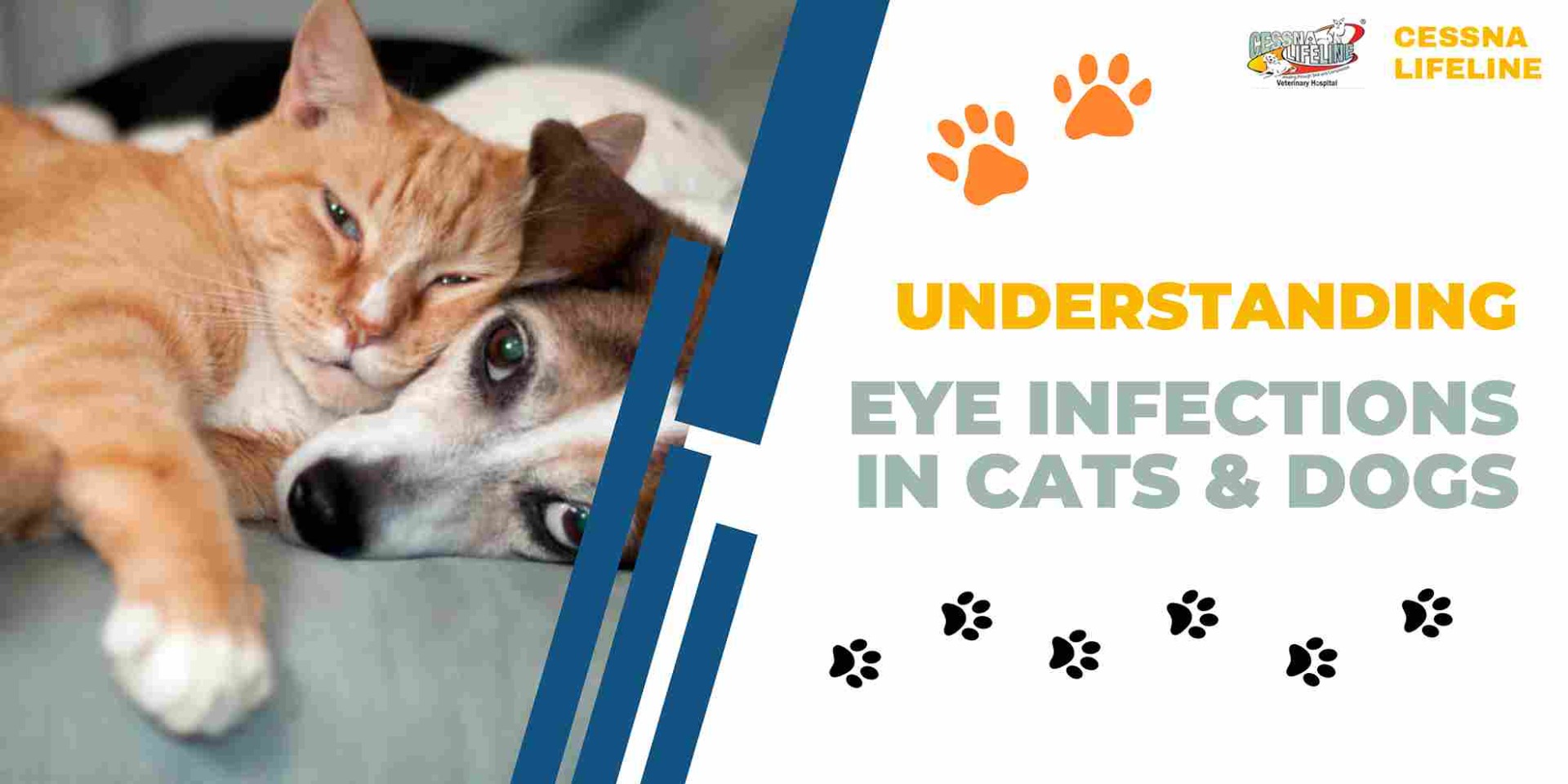
In the special of our bond with pets, their eyes serve as windows to a world we often struggle to comprehend. Those soulful furr balls, brimming with emotion, narrate tales of joy, curiosity, and, sometimes, discomfort. It is within these moments of unease that pet owners embark on a journey of understanding—unraveling the complexities of eye infections in their beloved cats and dogs.
The ocular health of our furry friends is an often neglected aspect of their overall well-being, overshadowed by the daily routines of walks, meals, and playtime. Yet, when those expressive eyes begin to manifest signs of distress, it's a gentle nudge from our pets, urging us to delve into the intricate realm of their visual health.
Eye Infections in Pets
1. Common Eye Infection
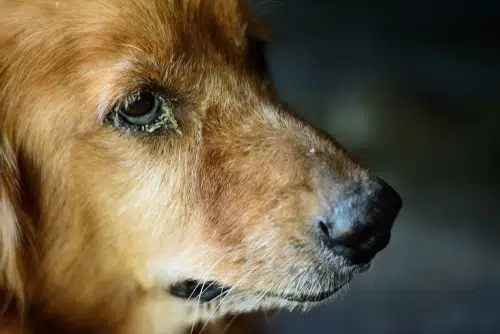
Pets are prone to eye infections, which can affect different parts of the eye, such as the cornea, conjunctiva, and interior of the eye. These infections can be caused by bacteria, viruses or fungi and are characterized by symptoms like yellowish or greenish eye discharge, squinting, swelling, and redness. If left untreated, these infections can lead to serious complications, so it's important to consult a veterinarian as soon as symptoms are noticed to prevent further damage to the eye.
Source
If there is a suspicion of corneal injury, an eye stain test can be conducted to confirm the presence of any damage. The usual course of treatment involves the use of eye drops to alleviate inflammation, ease discomfort and promote healing of the infection.
2. Cherry Eye
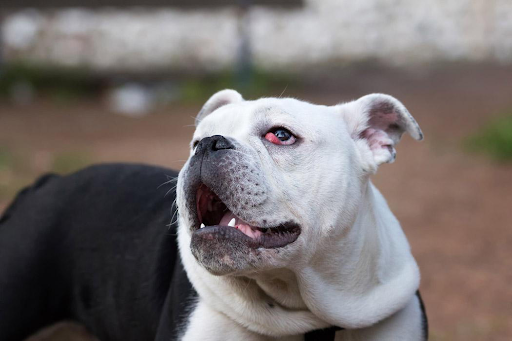
Cherry eye is a common condition among certain dog breeds, including English Bulldogs, Mastiffs, Pugs, and Newfoundlands. It is characterized by the prolapse or displacement of the tear gland located on the third eyelid of the dog. This displacement causes the gland to become inflamed and swollen, creating a visible ball of tissue that blocks the dog's vision.
Source
While anti-inflammatory eye drops may help in some cases, surgical intervention is usually necessary to permanently resolve the condition. Early diagnosis and treatment are essential to prevent complications and ensure the dog's long-term eye health.
3. Glaucoma
Glaucoma is a condition where the pressure inside the eye increases, and this can lead to vision loss. The eye normally maintains pressure by allowing fluid to flow in and out of it. However, in the case of glaucoma, there can be either an excess of fluid going in or drainage issues that cause pressure to build up.
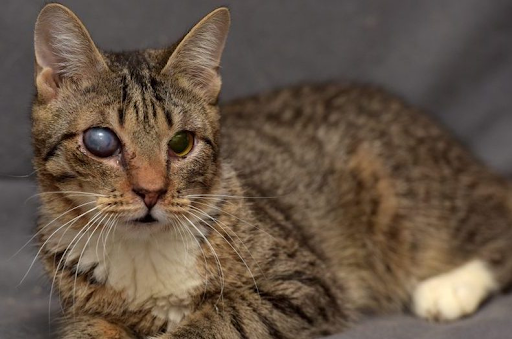
Some of the signs of glaucoma include increased lethargy, pupils of different sizes, cloudy corneas, and excessive blinking or squinting. Early diagnosis of glaucoma can help to control the increased pressure with the use of eye drops. If the pressure cannot be controlled with eye drops, surgery may be necessary.
4. Conjunctivitis
Conjunctivitis, also known as pink eye, is a condition characterized by the inflammation of the conjunctiva, which is the thin, moist and pink tissue that lines the inside of the eyelid and covers the white part of the eye.
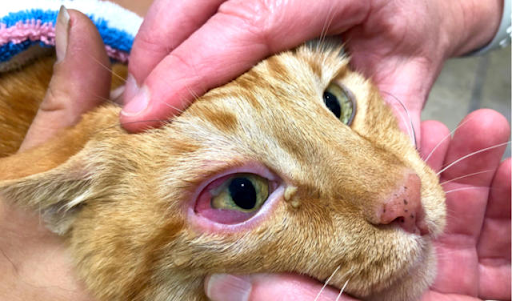
If your pet is squinting or holding their eye closed, or if you notice redness and swelling in the lining of their eye or discharge that is green or yellow, then they may be suffering from conjunctivitis. A virus or allergies commonly cause this condition and can usually be treated with the help of eye drops.
5. Cataract
When a dog develops cataracts, the lens inside the eye loses its transparency, leading to a cloudy appearance. Cataracts can result from inherited genetic traits, diseases such as diabetes, or aging. It is crucial to have cataracts evaluated by a veterinarian during the early stages, as the lens can rupture and cause inflammation. In severe cases, cataracts can cause vision loss. In such cases, surgery with a board-certified veterinary ophthalmologist may be a viable option to restore the dog's vision.
6. Retinal Disease
The retina is a vital component of your pet's visual system, situated at the rear of their eye. It consists of rods and cones that are responsible for absorbing light and transmitting visual information to the brain, thus facilitating your pet's ability to see. If any disease impacts the retina, it can lead to vision loss or even blindness.
Several factors, such as high blood pressure, distemper virus, fungal infections, glaucoma, ivermectin toxicity, or SARDS (Sudden Acute Retinal Detachment Syndrome), can cause retinal diseases, some of which can be inherited. Therefore, it's essential to monitor your pet's eye health and consult a veterinarian if you notice any signs of retinal disease.
7. Corneal Ulcers
If your dog has a scratch or injury on the surface of its eye, it may be suffering from a corneal ulcer. These ulcers are incredibly painful and can cause your pet to squint and paw at its eye. Immediate treatment is crucial to prevent scarring or rupture of the eye, which can lead to vision loss.
8. Dry Eye
Dry eye is a condition that occurs when the eyes do not produce enough tears due to different factors such as exposure or underlying health issues. Certain dog breeds with flat faces, like Pugs, Boxers, and Boston Terriers, are more prone to dry eye if they do not close their eyelids properly.
The symptoms of dry eye include redness and inflammation of the eyes, and it usually requires continuous treatment with eye drops to reduce inflammation and stimulate or replace tears. If left untreated, dry eyes can cause severe damage to the eyes and interfere with vision.
9. Watery Eyes
Many dogs tend to have watery eyes, which can sometimes result in staining on their face where the tears run. While this may not always be a matter of concern, it's best to keep an eye out for any acute watery eyes in your pet. This could indicate an underlying condition, such as allergies or a blockage of the nasolacrimal duct.
Certain breeds, like Poodles, are more prone to this condition. It's advisable to consult a veterinarian if you observe any unusual changes in your pet's eye health. They can help diagnose the issue and provide suitable treatment if necessary.
10. Entropion
Entropion is a condition that affects the eyelids and can be passed down genetically. It causes the eyelid to turn inward towards the eye, which can cause the eyelashes or hairs on the inside to rub against the cornea. This can result in ulcers and be identified by symptoms like excessive tearing and squinting. Surgery is typically required to treat entropion. Breeds that are commonly affected include Bulldogs and Bloodhounds.
11. Eyelid Tumors
If you happen to notice a bump on your dog's eyelid, it is always recommended to take your furry friend to a veterinarian for a professional check-up. These growths are quite common and may not always be cancerous.
However, it is best to have them examined by a specialist to ensure they are not affecting your dog's vision or causing any harm to the eye. In most cases, these growths can be managed easily at home with proper guidance from the vet.
Bottom Line
Revitalize your pet's ocular health with eye drops designed to combat infections. Specially formulated under veterinary guidance, these drops offer a gentle and effective solution for alleviating discomfort caused by eye infections in pets. The carefully crafted formula works swiftly to soothe irritation, promoting a speedy recovery. With easy application, eye drops available at Cessna Pet Store provide a convenient means to ensure your pet's eyes stay clear and vibrant. Trust in our commitment to delivering products that prioritize your pet's well-being, offering a simple yet powerful remedy for their eye health. Bring back the sparkle to your pet's eyes with our specialized eye drops.


 German
 Arabic