After dogs, cats are the most adopted pets worldwide. It is very difficult to know what goes into these speechless beings' minds, as there is no medium of communication like we humans have with others, the ability to speak. The reason why, 9 out of 10 cat owners are still unable to figure out what exactly is right or wrong with their cats. The only way to understand cats’ psychology is through gestures and numerous physical activities.

Understanding your feline’s psychology and their behavioral changes can benefit you in developing a strong connection with them and also help you know about their well-being.
In this pet-friendly blog, you will learn to decode everything your cat does, from licking and knocking things to their tail-wagging style and napping habits. By the end of this article, you will have learned the basics of understanding their minds.
Understanding their body language
Before owning a cat, you must learn one fact: They are great actors and have an exceptionally unique way of communicating with their body language.
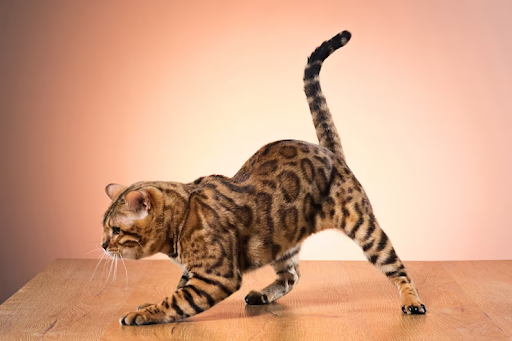
As a cat owner, you must follow their body language, like their tail wagging and movements, facial expressions, body postures, ear gestures and vocals, as these signs give valuable insights about their emotions and other moods, as if they feel playful, defensive, or angry.
By understanding all these points, you can enhance your bond with your feline friend and give them the care they crave.
Understanding the impact of the environment on cats’ psychology
Owning a pet and having a kid in the house is one and the same thing. Both living beings are highly prone to their surroundings. Hence, to understand your feline’s psychology, you must first understand their surroundings. Once you understand your cat’s surroundings, you will easily understand their minds through their vocals and body language.

Understanding this point can help you prevent any future mishappenings with your pet. Also, with this, you can provide what your cats want, ultimately making them happy and benefitting their mental and physical health.
Understanding their happy and relaxed behavior
As a cat owner, you are responsible for keeping everything purr-fect with and around your cat. Soft purring and a relaxed body are signs that your feline is calm and at peace. But how can you help your cat be relaxed?
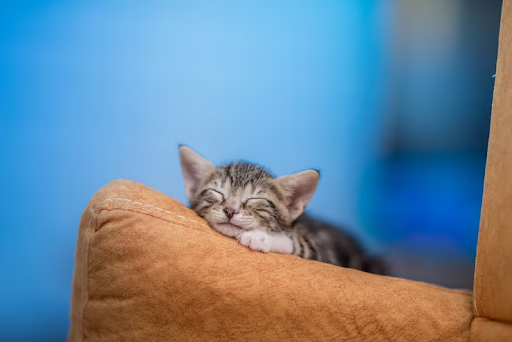
You must offer efficient playtime and social interaction periods with your cats. An enriched environment with a cozy sanctuary encourages cats to stay relaxed and calm.
Signs that your cat is anxious and aggressive
Hiding, aggressive and excessive grooming are the most common signs of your cat’s anxious behavior.
Aggressive cat behavior is what cat owners fear the most. Redirected aggression, fear and territorial behavior are the most common things that trigger cats’ aggressive behavior.
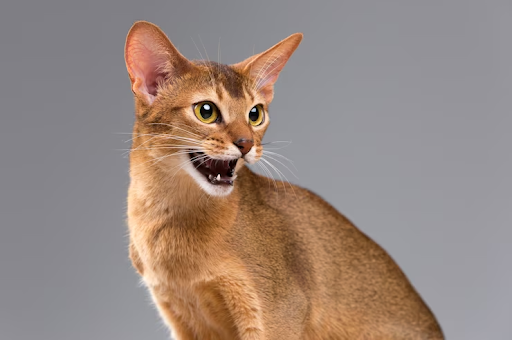
Understanding the cause of such behavior can help you tackle it effectively, but providing safe and sound surroundings is the best remedy for them as a cat owner. Even after trying all the tactics, you see no changes in this anxious and aggressive behavior, kindly consult a veterinarian and get valuable insights.
How to communicate with your cat?
Use body language cues like gentle petting and slow blinking to communicate effectively with your feline companion. Speak to them soothingly, like a purr, and use specific sounds for commands.

Respond accordingly by paying attention to their vocalizations, like meowing or purring. By observing their behavior, you can learn their preferences and how they react to different stimulations.
Understanding cat’s vocal language
1. Purring
Cats communicate with their owners and express various emotions through purring. While purring can indicate contentment and relaxation, it can also signify fear or distress. Observing a cat's body language, including tail and ear position and vocalizations, is essential to interpret the meaning behind purring. Since each cat has its behaviors and preferences, paying attention to these clues can help you better understand your feline companion's needs and emotions.
2. Chirping
Cats commonly chirp to vocalize, a trait believed to have been inherited from their wild ancestors. Cats use this unique sound to communicate with their owners or other animals and can convey a range of emotions, such as excitement, anticipation, or frustration.
To accurately interpret a cat's chirp, it is important to consider the context and observe the accompanying body language. Chirping is an instinctual method of communication for cats, serving as a bridge between their domestication and wild nature.
Understanding cat’s physical language
1. Belly show
One common behavior observed in cats is exposing their belly, which signifies trust and vulnerability. The reason behind this gesture is to cool down. If you approach a cat displaying this behavior, being cautious and respecting their boundaries is vital.
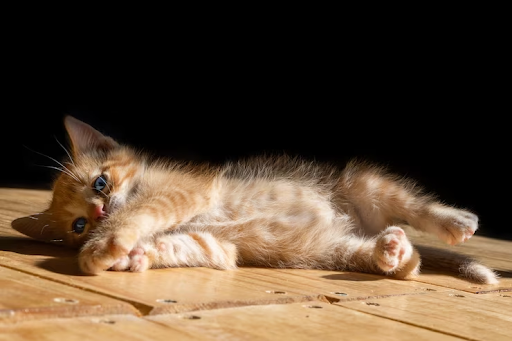
Before attempting any interaction involving their belly, reading the cat's body language is essential. Not all cats enjoy touching their bellies, so it's crucial to be mindful of their preferences and comfort levels.
2. Wagging tails

Cats have a unique way of communicating through their tails, which differs from dogs. A cat's tail movement can convey different emotions and intentions. For example, a slow back-and-forth sway typically means contentment or curiosity, while fast movements indicate agitation or aggression. Knowing how to interpret a cat's tail language helps you understand its mood and behavior more accurately.
3. Knock… Knock…
Cats are naturally curious and playful creatures, which can lead them to knock things over. This behavior is often a way for them to explore their surroundings, play with their favorite toy, or seek attention. Providing cats with suitable toys and activities that can divert their focus is important to prevent this behavior.
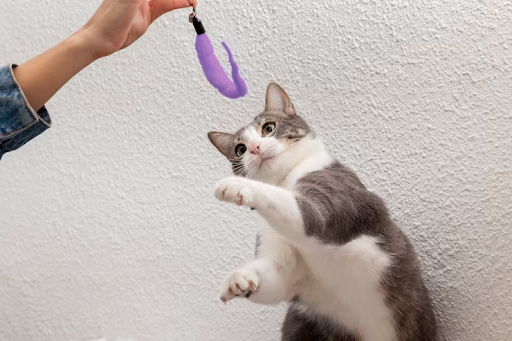
Also, making sure that the environment is free from fragile objects can help reduce the occurrence of knocking incidents. By understanding the psychological motivations behind this behavior, cat owners can effectively manage and redirect their cats' energy toward more appropriate activities.
4. Furniture scratching
Many cats naturally want to scratch furniture, but there are ways to redirect this behavior. The key is to provide appropriate scratching surfaces and toys for your cat to play with, which can help prevent damage to your furniture. Positive reinforcement techniques to encourage your cat to scratch in desired areas can also be effective.
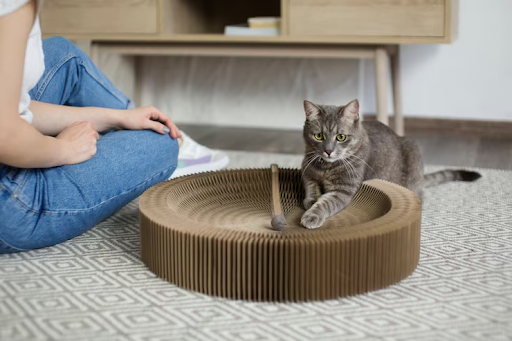
However, if your cat continues to scratch despite these efforts excessively, it may be necessary to seek professional advice. Understanding the reasons behind this behavior and providing alternatives can help create a peaceful environment for you and your furry friend.
5. Licking you
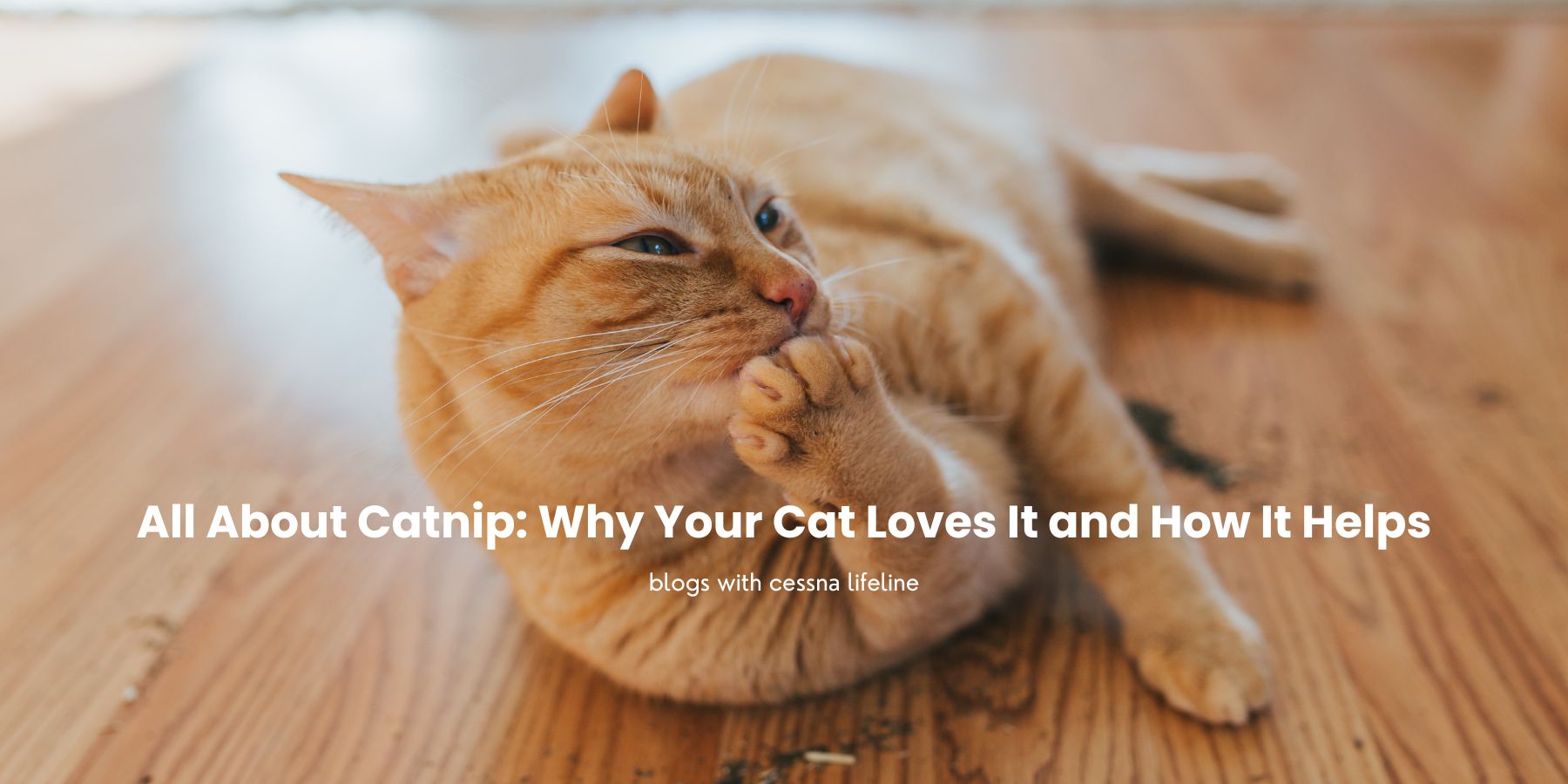
Cats commonly lick for different reasons, such as showing affection to their owners or grooming themselves. It can also be a way for cats to mark their territory and create social connections with humans.

To improve the bond with their feline friends, owners should know the reasons behind this behavior. However, it is crucial to monitor excessive licking, as it could indicate health issues or anxiety in cats.
Final Say
To develop a strong bond with your feline companion, it is essential to comprehend their psychological makeup. You can gain insight into their emotional state and needs by understanding their body language.
When interpreting cat behavior, context is critical since it varies depending on the situation. Happy or relaxed cats display specific behaviors, while signs of wanting to play are easily recognizable.
On the other hand, scared or anxious behavior may indicate the need for comfort and reassurance. Aggressive behavior should also not be ignored, as it may indicate underlying issues.
Observe your cat's posture, tail movements, sleeping patterns, vocalizations, waking habits, knocking objects over, furniture scratching, and even licking you, as each has significance. To truly understand your feline's distinctive personality and behaviors, take the time to observe and learn about their psychology.


 German
 Arabic