If you are a cat parent, you must be very well about their amazing flexibility. They can easily fit themselves in spaces which we cannot even imagine. Cats often fascinate us with their funny activities of falling down randomly and from random places. However, these funny falls can sometimes injure your furry friends severely.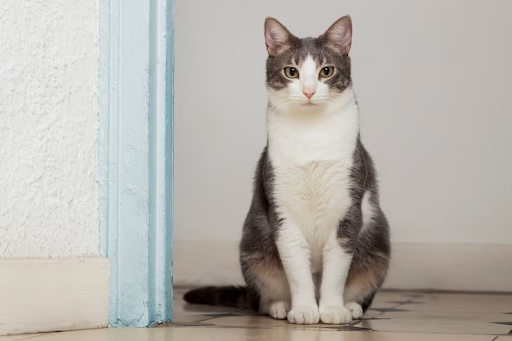
Besides this, as cats get older, their activenenss and life of bones start to deteriorate. Thus, as cat parents, we need to pay attention to every minor change in their behavior and raise concern about it, because a neglected minor thing can result in major damage in your cat’s health. In fact, cats experience the same kind of joint problems like we humans.
In this comprehensive guide, we will learn about bet cat supplements for cat joint health, to ensure that your furry friends are health and happy for their lifetime.
What kind of joint problems do cats have?
Even though cats come from a wild and carnivores family with rough lifestyle, they do experience a certain kind of joint problems with growing age.
1. Osteoarthritis
Starting with the most common one. Osteoarthritis is the most common joint problem found in all breeds of cats, as they grow old. Cats’ joint cartilages’ experience a gradual wear and tear which leads to joint pain and reduced flexibility.
Osteoarthritis symptoms often involve difficulty in limping, jumping and certain mood changes like aggressive behavior and loss of activeness.
2. Hip Dysplasia
Another most common joint problem found in certain cat breeds is hip dysplasia. This is a genetic issue found in cats. An abnormal development of hip joint is the main cause of this joint disorder.
Cats suffering from hip dysplasia often face difficulty in jumping and walking, along with avoiding specific activities.
3. Patellar Luxation
Cats can suffer from a joint condition known as patellar luxation, which is also called slipping kneecap. This condition occurs when the kneecap moves out of its normal position, resulting in discomfort or pain. As a result, cats may hop intermittently on three legs, holding up the affected leg to alleviate the discomfort.
If you notice your cat exhibiting such behaviors, it's essential to seek veterinary attention promptly. Early diagnosis and treatment can help prevent further complications and provide relief to your feline friend.
4. Traumatic Arthritis
Traumatic arthritis is a joint inflammation caused by injury or trauma. It can affect any joint in a cat's body and often leads to chronic pain and stiffness.
Cats with traumatic arthritis may become lethargic, reluctant to move, or show signs of discomfort when touched.
5. Cat Arthristis
Arthritis is a condition that affects the joints of cats. It happens when the smooth cartilage that covers and protects the bones in the joints wears away. Arthritis can cause pain, discomfort, and reduced mobility.
Although it is more common in older cats, younger cats can also develop arthritis if they have been injured or have a genetic predisposition. Some signs that your cat may have arthritis include reluctance to jump or climb stairs, decreased activity, limping, and changes in behavior.
Tips to Support Joint Health of your Cats
1. Weight Maintenance
Your cat’s body weight is directly associated with their joint problems. Hence, its is extremely important to look after their weight management diet and prevent them from getting overweight. This tip is relevant for cats of all ages, and most commonly to the old cats, because as they age, their joints loose their flexibility and increasing body weight puts more stress on their joints, worsening their joint health.
To maintain their increasing, just follow a few steps of reducing the calorie in take, cut down the consumption of treats and start giving healthy diets.
2. Give them a Balanced Diet
Meticulously created cat diet works wonders when it comes to giving a balanced diet. Raw meat like organ meat, muscle meat and bone deliver much more nutrition than actual nutritional support from the protein, amino acids and multi-vitamins and minerals.
You can opt for a certain foods in their diets like
- Raw milk and easy-to-digest bones of chicken and ducks (especially their necks) are the best source of Calcium.
- For Magnesium you can choose to give them beef and chicken.
- Follow–a bone for a bone, and nothing is better than bone broth which is full of valuable collagen. And the best of it is that it is very easy and affordable to prepare.
- Raw egg with the eggshell are one of the best option for joint health, especially the eggshell membranes. These eggshell membranes are a natural source of collagen, chondroitin, hyaluronic acid, calcium and glucosamine. All these nutrients are highly essential in mainting cats’ joint health.
- Cartilage damage caused by free radicals can lead to joint problems over time. To reduce pain and inflammation, it's recommended to consume antioxidants. Phytoplankton is a great source of antioxidants to help decrease cartilage damage.
3. Joint Supportive Supplements for Cats
Joint supportive supplements for cats are designed to promote joint health and mobility, particularly in aging or arthritic felines.
These supplements typically contain ingredients like glucosamine, chondroitin sulfate, and omega-3 fatty acids, which help maintain cartilage integrity, reduce inflammation, and support overall joint function.
Glucosamine stimulates the production of glycosaminoglycans, essential for cartilage repair, while chondroitin sulfate helps to maintain cartilage elasticity and hydration. Omega-3 fatty acids, such as those found in fish oil, possess anti-inflammatory properties that can alleviate joint discomfort.
Joint supplements come in various forms, including chewable treats, capsules, or liquid formulations, making them easy to administer to cats. Regular use of joint supportive supplements can aid in managing arthritis symptoms, improving mobility, and enhancing your cat's overall quality of life.
Always consult with a veterinarian before starting any new supplement regimen for your cat.
Conclusion
Choosing the right joint supplement for your feline companion is crucial for their overall well-being and quality of life. By consulting with a trusted veterinarian and considering factors such as ingredients, effectiveness, and safety, you can make an informed decision tailored to your cat's specific needs.
Remember to monitor your cat's response to the supplement closely and adjust as necessary. With proper care and attention, you can help alleviate discomfort and promote mobility, allowing your beloved pet to enjoy a happy and active lifestyle for years to come.


 German
 Arabic