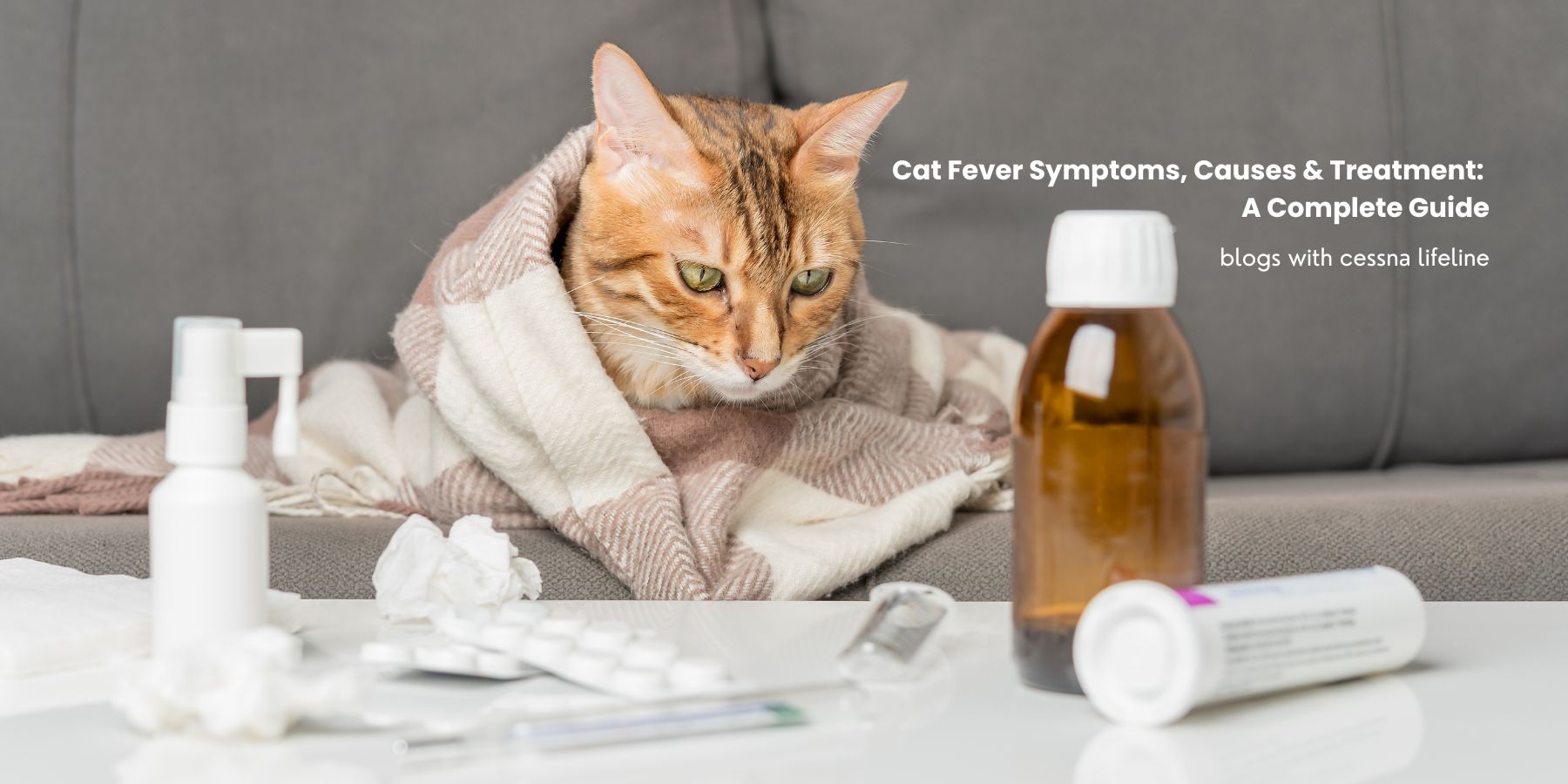
While many cats are sedentary animals, any change in activity level or behaviour could indicate a potential health problem, cat fever. Cat owners need to educate themselves on cat fever and what its signs, symptoms, and effective treatments are in order to act promptly.
What is Cat Fever?
Cat fever is not a disease itself but a symptom indicating an underlying health issue. A temperature reading higher than the normal range of 100.5°F-102.5°F (38°C-39.2°C) defines whether or not a cat has a fever. Fever can happen naturally as a body’s way of responding to certain types of infections or inflammation.
Cat Fever Symptoms
Identifying feline fever early enough will allow for timely intervention to avoid complications of the condition. The following list outlines common symptoms of feline fever:
- Loss of appetite
- Elevated body temperature
- Lethargic & Increased/acutely tired
- Warm ears (as compared with other parts of the body)
- Shivers/weakness/apparent pain
- Signs of dehydration
- Vomiting or diarrhea
- Red or watery eyes (may indicate need for medicine for cat eye infection)
- Rapid breathing
If you see several of the above symptoms or suspect your pet has a feline fever, take them to your veterinarian.
Cat Fever Causes
There are many identified causes for feline fever, which can range from mild to serious:
1. Infections
Infections from bacteria and/or viruses are one of the most common causes of cat fever.
2. Inflammation
Injury to a cat's body or a response by the immune system that causes internal inflammation can lead to fever.
3. Parasites
Fleas, ticks, and worms can lead to infections and fever.
4. Toxic Exposure
Fever may arise after exposure to either a toxic chemical or decaying food.
5. Vaccination Reaction
Cats may develop a mild fever after receiving a vaccine, which will usually resolve by itself.
Ensuring that your cat is properly groomed (using grooming products that do not have toxic chemicals) will help keep your cat safe from contracting an infection.
Cat Fever Treatment
Your veterinarian's diagnosis will determine how to treat your cat's fever. The following are things you, as an owner, can do.
1. Veterinary Diagnosis
The first step when dealing with a possible cat fever should be to see a veterinarian for proper diagnosis and/or recommendations for treatment options (i.e., prescriptions for anti-infective medications to purchase online).
2. Hydration
It is important that your cat is adequately hydrated and has unlimited access to water.
3. Medications
Depending upon the main cause of the fever, a veterinarian may prescribe your cat antibiotics or antiviral drugs to treat the condition.
4. Nutritional Support
Add a quality diet and vitamin supplements to improve your cat's immune system.
5. Hygiene & Grooming
Keeping your cat properly groomed and using only non-toxic grooming supplies will help prevent the occurrence of infections.
Prevention Tips
Preventing cat fever is much better than treating it.
- Keep your cat's living environment (apartment, house, yard, etc.) clean and in good condition.
- Only use quality grooming supplies and products for your cat's hygiene.
- Feed your cat a high-quality, nutrient-dense diet.
- Have your veterinarian perform routine examinations and preventive health care evaluations.
- Maintain your cat's vaccine schedule.
- Keep your cat indoors, so it does not become infected from the environment. Keep your cat active indoors with toys and activity.
Conclusion
Cat fever is a medical warning sign that should not be ignored under any circumstances. By understanding the signs of cat fever, determining the underlying cause(s) of the fever, and treating the fever according to best practices, you will help your animal friend stay happy and healthy. Supplying a healthy diet, good hygiene, and timely medical attention will ensure your pet remains healthy and happy.
For more pet care products and support, visit the official website of Cessna Pet Store or contact them for any queries or inquiries.
FAQ
1. What is the average temperature of a healthy cat?
The average body temperature for a healthy cat is between 100.5 to 102.5 degrees Fahrenheit (°F).
2. Can cat fever go away on its own?
Fevers of low degree will often resolve without intervention; however, persistent fevers will require the assistance of a veterinarian.
3. How can I check if my cat has a fever?
You can verify your cat's temperature using an infrared thermometer or monitor for symptoms such as lethargy or warm ears.
4. What should I feed a cat with a fever?
You should feed your feverish cat soft, nutritious foods and provide him/her with more fluid than usual; you could also give your cat daily multi-vitamins.
5. Can grooming help prevent cat fever?
Yes, by consistently grooming your cat properly, you will help to avoid infection and, as a result, reduce the chance of your cat developing a fever.
6. Where can I buy cat healthcare products online in India?
Cessna Pet Store provides a number of other items for your pet, including food, grooming products, accessories, and overall health products.


 German
 Arabic