As a responsible cat parent, it can be daunting to see your cat vomiting. Although it's relatively prevalent among cats, this does not reduce the anxiety of witnessing it. To see an otherwise active and playful cat looking lethargic and uncomfortable can be distressing.
Knowing the causes and signs of cat vomiting is crucial for properly handling the condition and maintaining your cat's health and well-being.
This guide is intended to give you a comprehensive review of vomiting in cats. We will explore factors that can cause this condition, such as dietary indiscretions, hairballs, and even severe medical conditions.
You will be trained to identify the signs of vomiting, whether it is a one-time occurrence or an indication of something more serious.
We will also cover the various forms of vomit and their possible implications so you can make informed decisions about properly caring for your cat.
It is crucial to remember that you have a vital part to play in your cat's health. Through an indepth understanding of this condition in cats, you can take timely measures to ensure your furry pet stays happy and healthy. Let us explore the intricacies of feline vomiting and upgrade our feline care strategy.
What Are The Common Causes of Your Cat Throwing Up?
Vomiting among cats is a result of several different factors. Following are some usual causes:
- Dietary Issues: Cats may vomit because of eating spoiled food, garbage, or foreign items, including vegetables or tiny parts of toys.
- Hairballs: Continuous licking during the self- grooming process practiced by cats, may result in hair deposit in the stomach and, therefore, hairball expulsion.
- Gastrointestinal Disorders: Inflammatory bowel disease, parasites, or gastrointestinal blockages are all possible causes of vomiting.
- Feline Viral Diseases: Viruses like panleukopenia or calicivirus can result in vomiting and other signs.
- Underlying Medical Conditions: Severe medical conditions such as diabetes, kidney disease, liver disease, or even cancer can have vomiting as a symptom.
Instead of jumping to the worst possible conclusion, understanding these factors can aid in monitoring your cat's health and seeking medical attention when necessary.
Types of Cat Vomit
Knowing the nature of vomits can provide clues regarding the cause behind your cat’s condition. Some of these causes include:
- Regurgitation is when your cat throws up undigested fluid or food, usually soon after eating it.
- Hairballs usually present as cylindrical masses of fur and food or mucus.
- Projectile vomiting: This violent expulsion of stomach contents may be a sign of a more severe problem.
- Bile-stained vomit: This green or yellow vomit indicates possible liver or bile duct problems.
- Bloody vomit: This is a critical sign and needs urgent vet attention.
Early Signs of Cat Vomiting
Cats tend to show some early symptoms before they fall ill. Unfortunately, these furry friends cannot tell what they might suffer from, so you must stay attentive to the slightest behaviour change in your furr balls.
Behavioural Changes
Cats usually show less obvious behavioral alterations before or following vomiting. Such signs may reflect distress or discomfort:
- Greater restlessness: Your feline might wander restlessly and continuously change positions as if seeking respite.
- Loss of appetite: If your cat suddenly abstains from food or eats less than its regular quantity, it may be a sign of nausea.
- Lip licking: Lip licking or swallowing excessively may indicate nausea.
- Hiding more than normal: Cats will hide and withdraw when ill.
- Increased meowing: Some cats meow more, indicating discomfort.
- Alterations in grooming: Some cats discontinue self-grooming when ill, and others over-groom due to nausea.
- Lethargy or weakness: Sudden energy loss or refusal to move can signal illness.
Physical Symptoms
Aside from behavioural alterations, there are physical manifestations that come with vomiting:
- Retching or gagging: A cat can gag or retch before vomiting.
- Regurgitation vs. vomiting: If the food vomited is undigested and comes up quickly, it could be regurgitation rather than vomiting.
- Foamy or yellowish bile: Vomiting bile usually means an empty stomach or gastrointestinal problems.
- Hairballs: Frequent vomiting is a common condition in long-haired cats.
- Vomit with blood: Bright red blood indicates irritation or trauma, whereas dark coffee-ground-like blood may indicate bleeding within the gastrointestinal tract.
- Prolonged drooling: Increased salivation may be followed by nausea and vomiting.
- Dehydration: Dull eyes, dry mouth, and skin tenting (skin not snapping back immediately after being pinched) are signs of fluid loss resulting from vomiting.
- Abdominal discomfort: Your cat will exhibit pain when their abdomen is touched.
- Diarrhea accompanying vomiting: If both symptoms occur together, it may be a sign of a more severe condition that needs to be addressed immediately.
Vet Care for Your Sick Pet
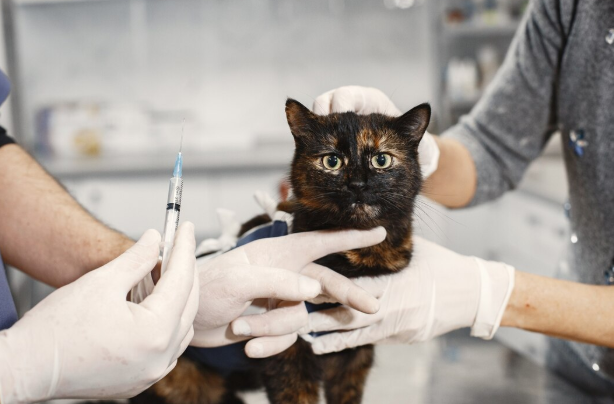
Though intermittent vomiting may not be a cause for alarm, a visit to the vet is important for a number of reasons:
- Professional diagnosis: A veterinarian expert can properly diagnose the cause of your cat's vomiting after a complete examination, blood work, X-rays, or other tests.
- Personalized treatment plan: Depending on the diagnosis, the vet will suggest the best possible course of action, whether medication, diet, or further testing.
- Prevention of complications: Prevention of possible complications due to the underlying cause of the vomiting is achieved through early diagnosis and treatment. Visit Cessna Pet Store, where you can procure products and medications to care for your furry friend.
Therapies and Medications for Cat Vomiting Treatment
Based on the causative factor, veterinarians have various treatment strategies to treat feline vomiting. These can include:
- Antiemetics: These drugs manage nausea and vomiting, relieving your pet.
- Antibiotics: If bacterial infections occur, your vet can prescribe antibiotics to fight the disease and help reduce vomiting symptoms. Remember, you should never administer antibiotics to your cat without consulting a vet.
- Fluid therapy: It is essential in rehydrating your cat, particularly if it has been vomiting persistently and is at risk of dehydration. In addition to dehydration, you can also administer electrolytes to assist.
- Dietary changes: Vets might suggest changing to a bland or prescription diet (Hypoallergenic Diet or GastroIntestinal Diet) in order to assist digestion and decrease vomiting triggers.
Preventing Cat Vomiting
Give a good diet: Give your cat a good quality diet and stay away from table scraps or spoiled food. Add probiotics to your cat food as well, so they have good gut health.
- Keep the environment clean: Keep the litter box clean and parasite-free.
- Keep your cat groomed regularly: This keeps hairballs at bay by preventing them from swallowing hair.
- Get your cat vaccinated: Keep your cat safe from viral infections that make them vomit.
- Book frequent vet checkups: Early medical condition diagnosis and treatment can inhibit vomiting attacks in the future.
Keep Your Cat Purring, Not Puking!
Learning why your cat vomits gives you the power to control its well-being and health. You can eliminate the chances of vomiting by simply adopting preventive care, such as feeding a balanced diet, keeping it clean, and regular vet visits.
Early diagnosis and proper medication are the keys to curing your feline friend's underlying problem and giving them a healthy and long life.
So, set your fears aside, equip yourself with knowledge, and adopt responsible pet care habits. Doing so can ensure your cat is happy, healthy, and purring with satisfaction, not suffering from upset tummies. Your love and devotion are the best medicine you can provide for your furry friend.


 German
 Arabic