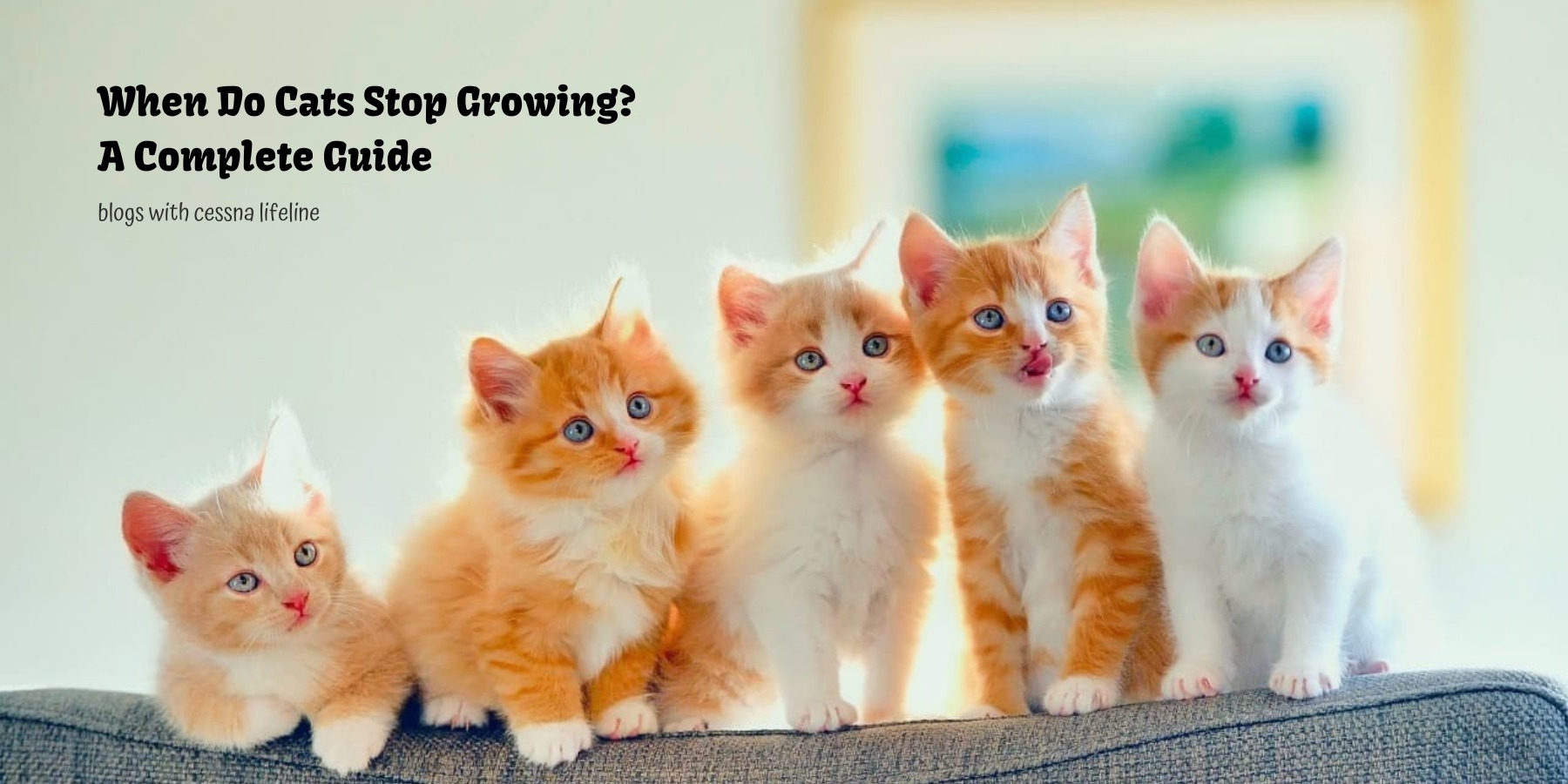
If you’re a cat parent - or planning to adopt one - you’ve probably wondered: When do cats stop growing? Understanding your cat’s growth timeline is essential for choosing the right food, healthcare plan, grooming routine, and even the best cat toys. With trusted pet care solutions from Cessna Pet Store in India, supporting your cat’s growth journey becomes simple, safe, and stress-free. Whether you're adopting a domestic kitten or dreaming of one day owning a giant Maine Coon cat, this guide will cover everything that you need to know about your growing kitty.
How Long Do Cats Grow?
Most domestic cats reach their fullest size between the ages of 12 and 18 months, during which time they will go through an incredible amount of growth and development in both muscle and bone. However, growth doesn’t always stop suddenly - some cats continue to “fill out” until they’re about 2 years old.
A number of different factors can affect the growth of a cat.
- Breed
- Genetics
- Nutrition
- Overall healthcare and lifestyle
Breed Matters: Maine Coon Cats Grow Longer
Large breeds, especially the Maine Coon cat, are a special case. Known as one of the largest domestic cat breeds in the world, Maine Coons grow much more slowly than other cats.
- Maine cats can take 3 to 5 years to reach full size
- Their long growth period contributes to their impressive size
- Even a rare white Coon cat continues growing well past kittenhood
This is why people searching for Maine Coon kittens for sale should be prepared for long-term growth and higher nutritional needs.
Growth Stages of a Cat
1. Kitten Stage (0–6 months)
Rapid growth phase. High-energy food and frequent meals are essential.
2. Juvenile Stage (6–12 months)
Growth has slowed considerably, but cats will continue to grow steadily during this period. This is when many cats start developing adult behaviors - yes, even cat eating biscuit habits become noticeable here.
3. Young Adult (12–24 months)
Most cats reach adult height, but muscle mass and body structure still develop.
4. Full Maturity (2+ years)
At around 2 years of age, large breed kittens, including Maine Coons, will have achieved their adult size.
Nutrition’s Role in Healthy Growth
Nutrition is very important during the growth stage of a kitten. High-quality cat food supports bone strength, digestion, and immune health.
- For cats who have sensitive stomachs, the use of Gastrointestinal Cat Food can be beneficial.
- Older cats or other special-needs feline companions may benefit from consuming a renal cat food diet.
- Treats, such as cat biscuits or treats for your cats, should only be given in moderation and responsibly balanced.
Explore a wide range of premium products for cats.
Grooming and Care During Growth
As cats grow, grooming becomes more important:
- Use dry cat bath products to maintain hygiene without stress
- Skin and coat care products help prevent irritation
- Regular grooming also strengthens bonding
Check grooming and spa products
Healthcare Planning Is Essential
Always plan your cat's health care through organizing a structured plan of care and taking care of their health needs for vaccinations, parasite control and veterinary visits, especially during the growth stages. Proper health care will help to prevent long-term health issues and maintain steady growth.
Playtime Supports Physical Growth
Active play improves muscle tone and coordination. Choosing the best cat toys helps cats stay active and mentally stimulated while growing.
Final Say
In addition to aiding with your cat's growth and development, understanding exactly when a cat stops growing will help you know what to feed, groom, and care for your cat. Therefore, although most cats reach full-size at 12–18 months, larger breeds such as the Maine Coon will grow much longer than most, so owners of those larger breed cats must devote extra time to their care and growth over a prolonged period of time, and provide the best possible nutrition, grooming, a regular vet plan, and the best quality cat toys to assist them in their cat's development.
For expert advice and pet care support across India, contact Cessna Pet Store.
FAQ
1. At what age do cats stop growing?
Most cats will stop growing around the time they reach 12-18 months, while larger breeds such as Maine Coons will continue to grow until they are around 3-5 years.
2. Why do Maine Coon cats grow slower?
Because Maine Coons are genetically larger cats, their bones and muscles take longer to develop than those of other domestic cats.
3. Does nutrition affect a cat’s growth?
Yes. Balanced food, including gastrointestinal or renal cat food when required, plays a major role in healthy growth.
4. Is it normal for cats to keep gaining weight after one year?
Yes, especially muscle mass. However, excessive weight gain may indicate overfeeding.
5. How can I keep my growing cat healthy?
Provide a healthy diet, grooming on a regular basis, schedule annual veterinary visits, provide interactive toys that keep your cat entertained, and have an established plan for your pet's healthcare needs.


 German
 Arabic