Cats are always pictured as furry creatures. Their amazing furry coat enhances their beauty and cuteness. While cats are notorious for their meticulous grooming habits, the secret to a truly vibrant coat lies in the nutrients they consume. Although cats are masters of self-grooming, the responsibility of cat parenting involves intricate participation in their skin and fur maintenance because a cat’s fur coat is more than just a soft and beautiful layer of fur. In fact, it is an indicator of their overall well-being.
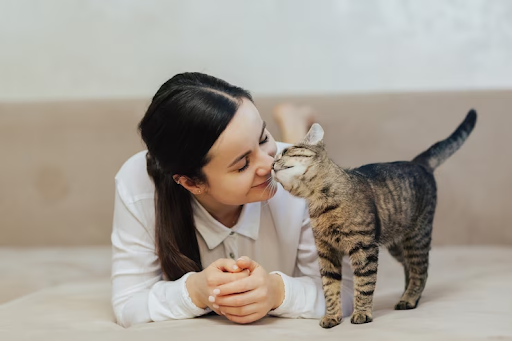
Before we move further to this topic, as a parent, it is essential for you to know your cat. Cats come in multiple breeds, each with its distinct coat type, length, and texture. Whether you own a short-haired or a long-haired cat, tailoring your grooming strategy according to your cat’s specific fur needs is very important. Once you know the type of your cat’s fur, you can personalize your cat’s hair care routine according to their needs.
How Nutrients Benefit Cats’ Skin And Fur?
Did you know that your cat’s diet has a direct impact on their skin and coat health? It's true! Certain nutrients play a crucial role in maintaining a shiny coat and soft, flawless skin. One of the most essential nutrients for skin and coat health is a high-quality protein called Keratin. Keratin is responsible for the development of your cat’s fur and nails. Hence, your cat’s diet must be rich in foods that boost keratin production in their body and help them grow a soft, luscious coat.

Cats need a protein-rich diet to maintain healthy furry coats and skin. The outermost layer of a cat's skin sheds dead cells regularly and replaces them with new ones. During the process of cell regeneration, the body requires protein. Therefore, it is essential to include lean protein sources such as chicken, turkey, and cold-water fish in your cat's diet to ensure their skin remains healthy.
What are the Symptoms of Skin Problems in Cats?
Your cat’s skin and coat can be affected by its diet. Poor nutrition can be a significant factor leading to skin problems. A diet low in fat and low-quality proteins or lacking essential nutrients can cause nutritional deficiencies. 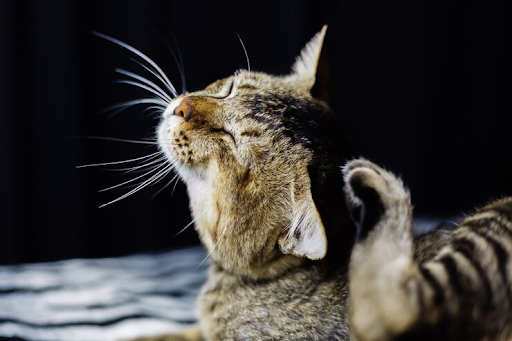
Additionally, certain foods may contain excessive amounts of vitamins and minerals that can hinder the absorption of nutrients needed for fat and protein metabolism. Therefore, it’s essential to ensure that your cat’s diet is balanced and provides all the necessary nutrients to maintain healthy skin and a shiny coat.
If you're a pet parent and notice that your cat is experiencing skin and coat problems, it's important to consult your veterinarian to determine the root cause. Although the cause can vary from cat to cat, many felines with skin issues tend to exhibit similar symptoms. Fortunately, these symptoms can be easily identified with some observation on your part.
These are the signs to look for when you seem like your cat something is wrong with your cat.
- Constant itching
- Dull, brittle and hair
- Hair-thining and baldness
- Frequent ear infections
- Wounds on skin
- Excessive grooming
Top Nutrients for Cat’s Healthy Skin and Fur
1. High-quality Protien
High-quality protein is essential for maintaining a cat's skin and fur health. Rich in amino acids, these proteins provide the building blocks necessary for the production of keratin, a key component of both skin and hair. Adequate protein intake ensures a strong, resilient coat and supports overall skin integrity.
Essential amino acids, such as those found in quality animal-based proteins, contribute to a glossy and well-nourished fur. In addition to promoting a sleek appearance, a protein-rich diet aids in preventing issues like dryness and hair loss, fostering a vibrant and healthy exterior for your feline companion.
2. Essential Fatty Acids
Essential fatty acids, like omega-3s and omega-6s, are crucial for maintaining cats' skin and fur health. These fats support a robust skin barrier, reducing inflammation and preventing dryness. Omega-3s, found in fish oil and flaxseed, promote a glossy coat, while omega-6s, present in poultry fat and certain oils, contribute to skin resilience.
Together, these essential fatty acids aid in overall skin integrity, reduce shedding, and enhance the sheen of a cat's fur, ensuring a vibrant and healthy external appearance. Regular inclusion in their diet supports feline well-being and addresses common skin and coat concerns.
3. Antioxidants
Antioxidants, crucial for maintaining cats' skin and fur health, play a pivotal role in combating oxidative stress. This stress, caused by free radicals, can damage skin cells and compromise the integrity of a cat's coat. Antioxidants, found in vitamins A and E, among others, neutralize these harmful free radicals, preventing premature aging and promoting a vibrant, resilient coat.
By supporting cellular health and reducing inflammation, antioxidants contribute to the overall well-being of a cat's skin and fur, ensuring a glossy, lustrous appearance that reflects both internal vitality and external beauty.
4. Zinc
Zinc is a vital nutrient for maintaining cats' skin and fur health. As an essential trace element, zinc plays a pivotal role in various enzymatic processes, including those crucial for skin cell turnover and the production of keratin, a protein integral to hair structure. Adequate zinc levels contribute to a shiny coat, help prevent hair loss, and support overall skin resilience.
Additionally, zinc supports wound healing and immune function, ensuring that your feline companion's skin remains a robust barrier against environmental stressors. In essence, zinc is an necessary element in promoting the well-being and aesthetic appeal of a cat's skin and fur.
Final Verdict
No matter what pet you own, the responsibility of looking after their overall health is your first and foremost priority. Pets like cats and dogs are very stoic, they will choose to suffer instead of bothering you, so it is your duty to pay attention to every behavior change in them. In this blog, you have learned the common symptoms that are seen in cats if they are facing any skin-related problems and the nutrients that are highly beneficial in boosting their skin and fur health.
A well-balanced diet, rich in high-quality protein sources, serves as the cornerstone for promoting a vibrant and resilient coat. The inclusion of antioxidants helps combat oxidative stress, ensuring optimal skin function. Essential nutrients like zinc contribute to the overall integrity of the skin barrier, while omega-3 fatty acids found in foods like fish oil, salmon and tuna enhance coat shine and reduce inflammation.
You can choose to feed homemade diets to your cats in the initial stage with all these necessary nutrients-rich diet, or else you can give them specially prescribed diet for skin issues to your cat. But, still if there is no change in your cat’s condition, it is advised to consult a vet ASAP.
Thank you for reading!!!


 German
 Arabic