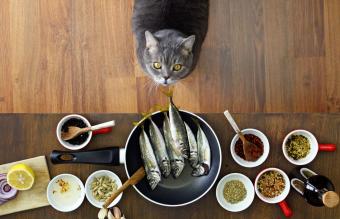
Achieving an ideal cat food that promotes good health can be quite challenging. Whether you opt for wet or dry cat food, the formulas always have downsides. These downsides may include poor-quality ingredients, chemicals or preservatives, and adding artificial components that enhance flavor or texture. Furthermore, recent studies associate highly processed pet food with illness due to its high levels of refined glycation end products.
Feeding your cat a tasty homemade diet can be difficult because it needs to be complete, balanced, and appropriate for its species. This may require some additional supplements. We have compiled four of our favorite homemade cat food recipes approved by vets and six other excellent recipes from vet nutritionists and veterinarians. It's important to note that accurate measurements are crucial, so it may be worth investing in a reliable kitchen scale to feed your cat a tasty homemade diet.
Before feeding your purr-y pals a homemade diet, here are some checkpoints to consider.
1. Consult a veterinarian expert
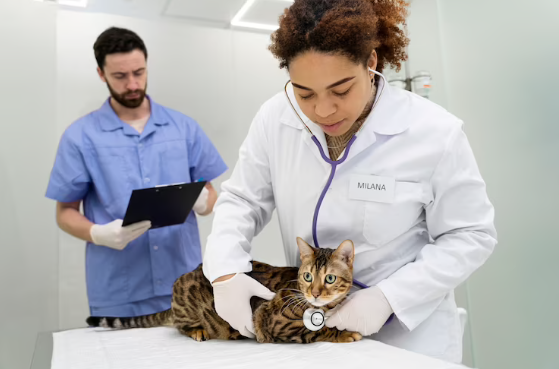
To ensure your feline companion's optimal health and well-being, you must consult with a qualified veterinarian before implementing any changes to their diet.
Source
As cats have unique nutritional requirements that vary depending on factors such as age, weight, activity level, and potential health concerns, seeking out the advice of a professional can provide invaluable insight and guidance in this regard. By doing so, you can rest assured that you provide your beloved pet with the highest care and support.
2. Understand cats’ nutritional requirements
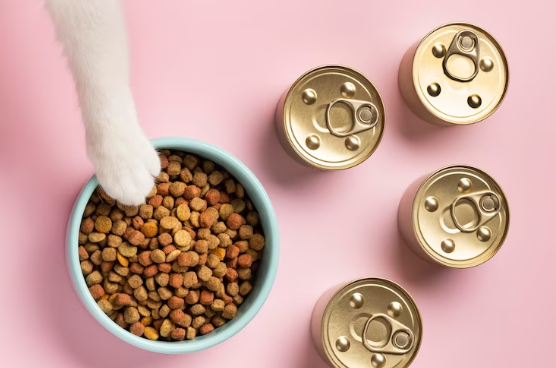
As we know, cats' origins belong to a carnivore family. Hence, their food intake should be primarily composed of animal-based proteins. You can maintain your pet's well-being properly by including protein, crucial fatty acids, and a variety of vitamins such as A, D, and E, as well as minerals like calcium and phosphorus.
Source
If you decide to prepare a homemade diet, it is essential to ensure that it contains a balanced mixture of these nutrients in the correct proportions to keep your cat healthy and happy.
3. Choosing the protein sources
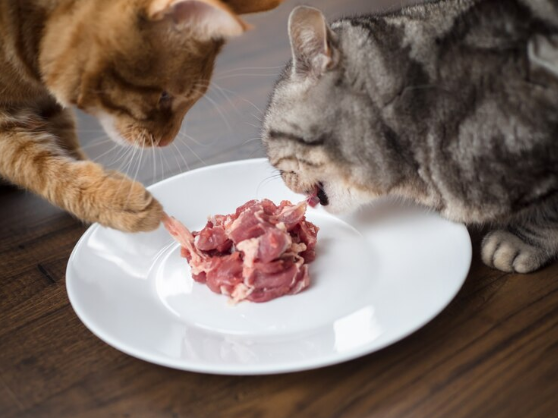
Ensuring that your feline friend's dietary needs are met is crucial, and animal-based proteins of high quality are a key component. These proteins can be obtained from lean meats like chicken, turkey, beef, and fish.
Source
However, it is important to steer clear of raw meat due to the presence of harmful bacteria. Also, it is highly recommended that cats be served cooked meat, reducing potential risks.
4. Balanced nutritional diet
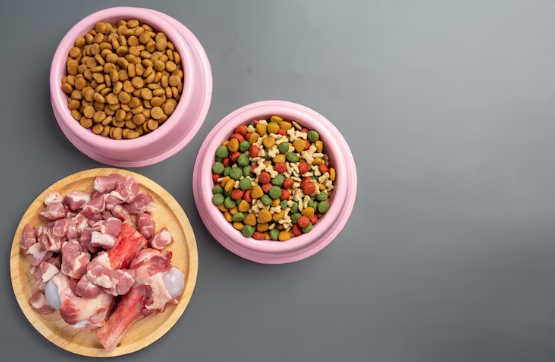
Maintaining a balanced intake of nutrients is crucial for your overall health and well-being. Your diet should consist of approximately 40-50% protein, 30-40% fats, and minimal carbohydrates from sources such as cooked vegetables, as recommended by experts. This will help you maintain a healthy weight, keep your energy levels high, and reduce your risk of chronic health conditions.
Source
It is important to note that the exact proportions of each nutrient may vary based on your needs and lifestyle. Consulting with a healthcare professional or registered dietitian is essential in determining the best dietary plan for you.
5. Essential Fatty Acids
Maintaining a balanced and healthy diet requires careful consideration of the various nutrients that the body needs. Experts recommend that an ideal diet consists of 40-50% protein, 30-40% fats, and limited carbohydrates. It is essential to ensure that protein intake is sufficient, as it is vital for muscle growth, repair, and maintenance.
The fats should be sourced from healthy options such as nuts, seeds, and fish, which provide essential fatty acids for the body to function correctly. Carbohydrates should primarily come from cooked vegetables, as they provide fiber, vitamins, and minerals while avoiding the unnecessary sugar and starch found in processed foods.
Source
By following these dietary recommendations, cats can enjoy a healthy and balanced lifestyle while avoiding potential health risks associated with poor dietary choices.
6. Vitamins and Minerals
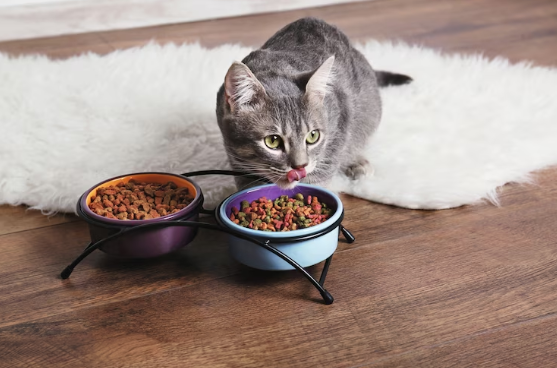
If you are feeding your cat a homemade diet, ensuring they get all the essential vitamins and minerals they need for optimal health is important. To achieve this, consider supplementing their diet with a multivitamin.
Source
It is advised to consult your veterinarian first and ensure to choose a safe and effective feline prescription diet. They can provide you with a recommendation on a suitable supplement that can help cover any possible nutritional gaps. By taking this step, you can help ensure your beloved feline companion stays healthy and happy.
7. Balanced calcium and phosphorous ratio
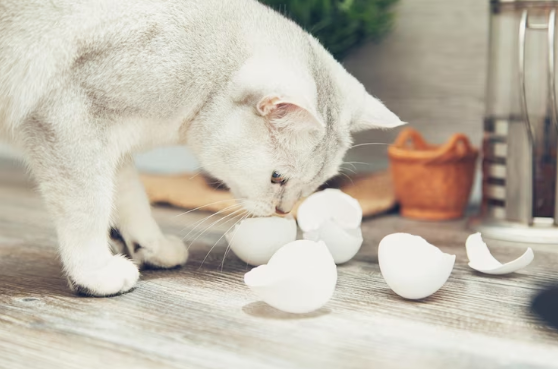
Maintaining a healthy diet for your cat is crucial for their overall health and well-being, and this includes ensuring they receive adequate amounts of calcium and phosphorus. These essential minerals are vital for maintaining strong teeth and bones, which are important for your cat's mobility and physical activity.
Source
One way to supplement your cat's diet with these nutrients is by adding bone meal or crushed eggshells to their food. These natural sources are a great way to provide your cat with the necessary minerals they need to keep their bones healthy and strong.
8. Proper Hydration
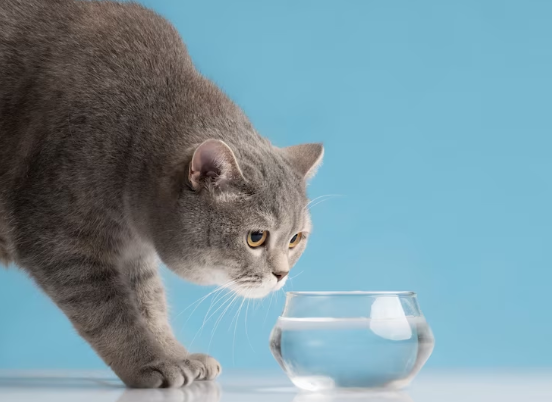
As a responsible cat owner, you must always provide your feline companion with fresh and clean water. Unlike other animals, cats have a low thirst drive, so they may not drink as much water as needed to stay properly hydrated. Therefore, you are responsible for ensuring that your cat has access to water throughout the day.
Source
To encourage water consumption, you can add wet food or a small amount of water to their meals, which will help them stay hydrated and improve their overall health and well-being. Remember, proper hydration is crucial for your cat's health, so make sure to prioritize their water intake.
9. Gradual Diet Transition
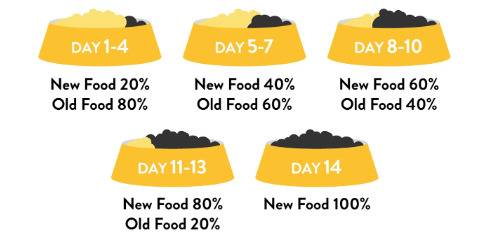
If you're considering transitioning your cat from commercial cat food to a homemade diet, it's crucial to do so gradually over a period of several days. Abrupt changes can put undue stress on your cat's digestive system, which could negatively affect their health.
Source
To start the transition, blend a small amount of homemade food with their current diet and gradually increase the proportion of homemade food over time. This approach will allow your cat's system to adapt to the new diet without any adverse effects. By taking things slowly and following this systematic approach, you can ensure your cat stays healthy and happy throughout the transition process.
10. Health Monitoring
When transitioning your feline companion to a homemade diet, paying close attention to their physical health and overall welfare is crucial. The essential monitoring indicators are their weight, energy levels, coat condition, and litter box habits.
Source
In case you observe any alterations or have any doubts, it is highly advisable to seek immediate guidance from your veterinarian. Remember to prioritize your cat's well-being above all else.
Over to you
If you're thinking about preparing your cat's meals at home, it's vital to keep in mind that it requires careful planning and dedication. Feeding your feline companion with a well-rounded and nutritious diet that promotes their overall well-being involves understanding their nutritional needs, selecting high-quality ingredients, and keeping track of their health.
Seeking guidance from your veterinarian and other professionals throughout the process is always advisable to ensure your cat thrives. With patience and effort, your furry friend will enjoy a healthier and happier life by your side for many years to come.


 German
 Arabic