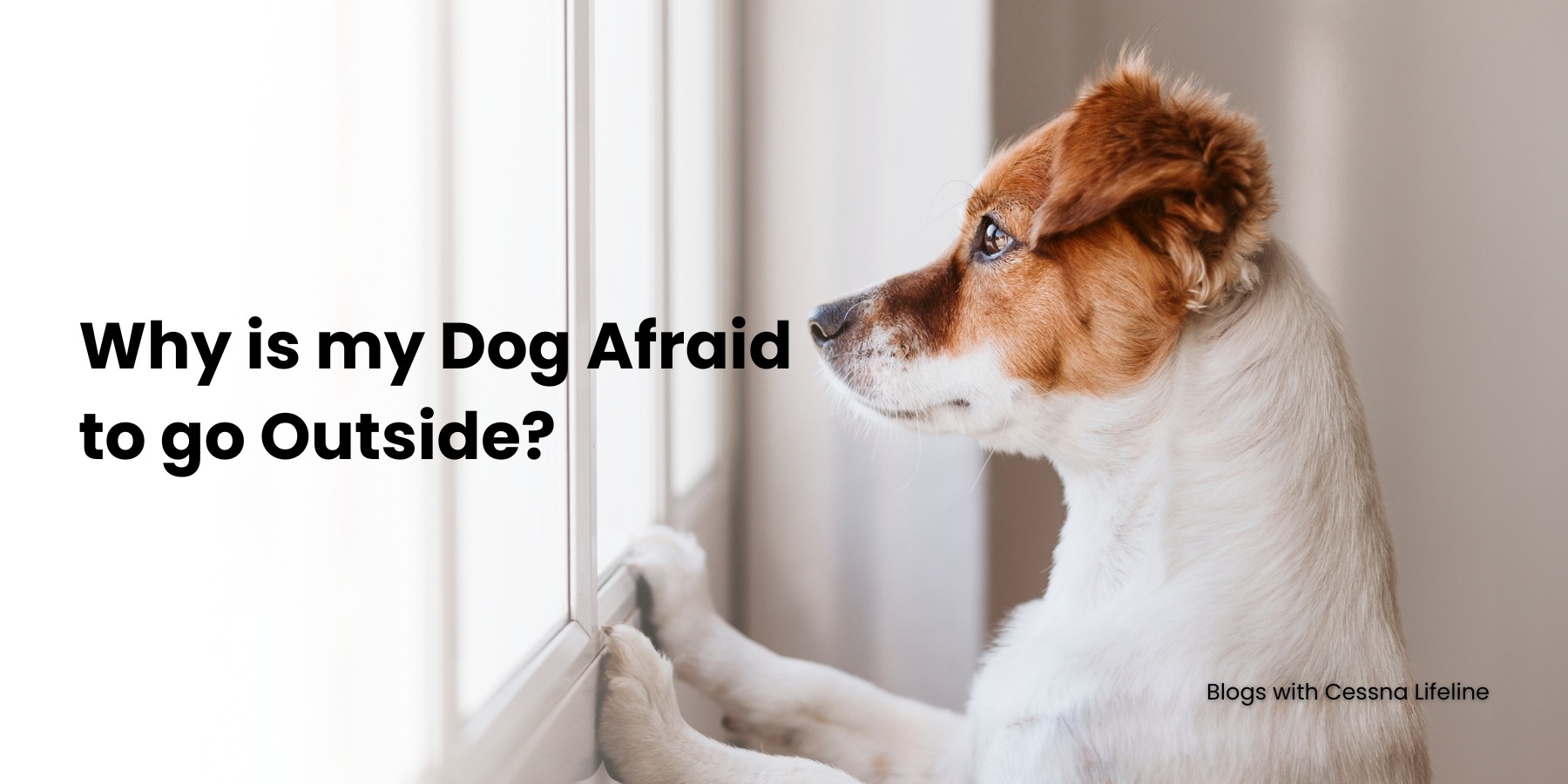
Seeing your dog hesitate at the door, refuse walks, or hide during outdoor play can be upsetting. However, many dog owners find themselves in the same trouble. The important thing to remember is that eventually this can get better, and your dog will be able to enjoy the outside again.
In this article, we'll cover why your dog may be afraid, what you can do about it, and how to help re-establish confidence for your dog.
Understanding the Fear: Why Dogs Become Scared
1. Past Negative Experiences It is not unusual for a dog that once enjoyed being outside to become anxious about going outside. This can happen after something unfortunate happens outside; it could be an insect sting, an alarmingly loud noise, an aggressive dog, or simply falling.
2. Poor Socialization or Lack of Exposure A dog (especially as a young puppy) that did not have consistent, safe, and positive experiences outside during its early developmental stage may be nervous and apprehensive because of being unfamiliar with outside stimuli (noise, smells, surfaces).
3. Sensory Overload There are many stimuli outside: traffic, wind, loud sounds, other animals, and unfamiliar scents. An anxious dog (or even some less anxious dogs) can find this overwhelming and would prefer to be in the safety of the indoors.
4. Medical or Physical Discomfort Pain or general discomfort related to mobility may make it less agreeable for the dog to walk or stand. The dog may associate pain/discomfort with being outdoors. Always start by ruling out medical issues before concluding that the dog is scared or stubborn.
5. Changes in Environment or Routine Changes in residences, new sounds (construction, traffic), new neighbors, new commanding voices, new handling, all these changes can create anxiety and push your dog to hesitation.
Signs That Your Dog Is Fearful of Going Outside
Watch for these behavior signals:
Not moving or freezing in place, especially at doorways.
Trembling, panting, drooling, yawning, and licking their lips.
Tucking their tails between their legs, flattening their ears back against their head, and avoiding eye contact.
If your dog suddenly stops gently and backs away, and turns around to approach the door to go back inside.
House soiling due to unwillingness to go outdoors for elimination
They may whine or vocalize or show distress when you approach with the leash or when you go to open the door.
Recognizing these signals early allows you to take positive and gentle steps.
How to Help a Dog Overcome Fear of the Outdoors
Here’s a step-by-step approach:
1. Rule Out Medical Issues Before doing anything, visit your trusted veterinarian. You want to rule out any injuries, arthritis, paw problems, dental pain, or internal medical issues that may be contributing to the reluctance to go outside.
2. Go Slow — Desensitization & Counterconditioning
Desensitizing means you are slowly exposing the dog to the outdoor environment at a very low consequence (for example, you leave the door open, so they can openly view the outdoors without forcing them at all).
Counterconditioning means pairing whatever is scary with something they love (high-value treats, praise, favorite toys, etc.). Therefore, your dog will start to associate the outdoors with something positive and enjoyable.
For example, you can place a food bowl a few steps outside the door and then, with the dog being calm, slowly move the food bowl farther away. Cessna Pet Store provides the best food and grain-free food for dogs.
Keep these sessions calm and short, and let your dog be in control of how far they proceed.
3. Use a Comfortable Harness or Leash Setup
If collar or leash pressure is part of what your dog dislikes, try using a padded harness. Let them wear it inside first so it becomes familiar. Then walk just a few steps at a time.
4. Create Positive Outdoor Rituals
Reward small behaviours, as just getting them outside is progress.
Play fun games outside or give them fun toys they trust.
Feed their meals outside (or by an open door), so the area is associated with a pleasurable experience.
Use a calm and reassuring voice and body language, and be sure you do not drag or pull your dog outside.
5. Minimize Anxiety Triggers
Until your dog is more confident, do not go out during busy times or near noisy machinery
Walk in quiet, safe locations
Gradually expose them to anticipated outdoor noises (garbage trucks, lawnmowers) in a controlled way
Keep the schedule and route consistent
6. Seek Professional Help If Needed
A certified dog behaviourist or trainer can help. In some cases, a veterinarian may prescribe a temporary anti-anxiety medication as a component of the treatment plan.
Conclusion When your dog is scared to go outside, it's typically based on fear, previous experiences (trauma), or being uncomfortable and not merely being stubborn. The goal now is to figure out what the trigger is for your dog, work at their pace, and use and provide positive reinforcement so your pet will slowly start to build trust and confidence. The result will be your pet feeling safe, relaxed, and happy outside again with the help of your patience, consistency, and dog care products available at the Cessna Pet Store.
FAQ Q1. Can this fear go away on its own? Possibly, but often not quickly. Dogs can develop a long-term habit of avoiding outdoor stimuli, and the fear can grow. Early and consistent intervention is always best.
Q2. Is it okay to carry my dog outside to force progress? Not ideally. Carrying them can bolster a feeling of helplessness for the dog. It also does not give the dog a sense of control and may ultimately increase anxiety. Better to let the dog approach on its own terms.
Q3. How long will this take? There is no set timeline. Weeks or months are usually fine for mild fears, but deeper fears, or fears that have been ongoing for some time, may take many months. Patience and consistency are the keys.
Q4. Should I punish or scold my dog when they refuse? No. Punishment will worsen the fear, create new stress, or fracture trust. Always reward the steps your dog does take—even small ones.
Q5. What if the fear returns? Regression is common. If fear returns, back up a few steps in your plan, slow the pace, and re-establish positive associations. It’s a gradual process.
Q6. When do I involve a professional? If your dog’s fear is severe (panicking, aggression, refusing all progress), or if months of careful work produce little improvement, reach out to a certified behaviorist or your vet for guidance.


 German
 Arabic