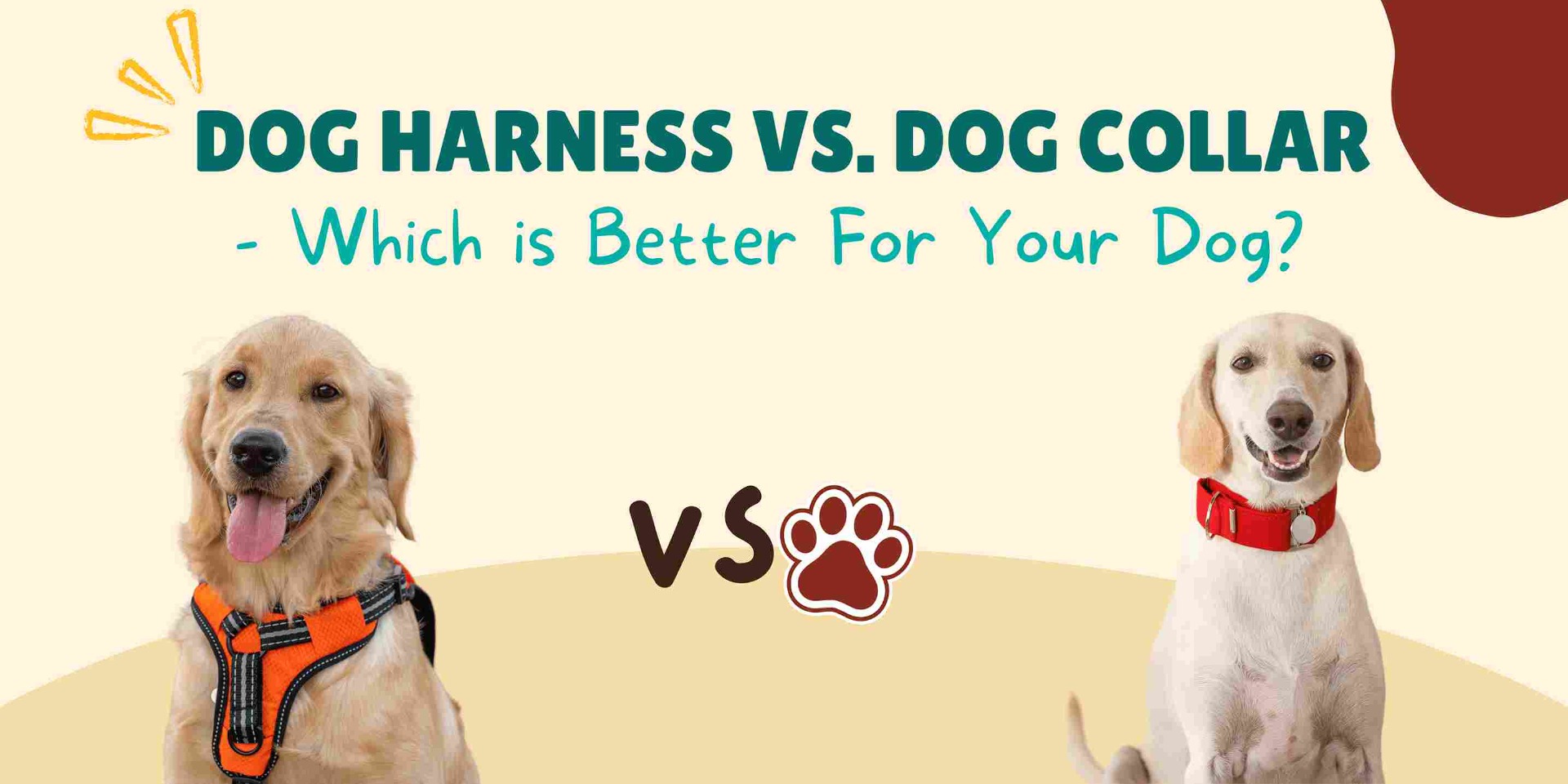
Being a dog parent is an amazing experience. Having a quality fun time with them, taking them for walk and so much more. But with all these steamy things, that one most thing that becomes more like a nightmare thing is when your dog gets extremely excited and becomes difficult to handle it.
Almost every dog parent fears of the situation like this, which gives birth to the battle of thoughts for choosing between dog harness or dog collar. If you are not a dog parent, you will not battle between these two choices, but dog parents need to think about the after effects of their purchase.
As we stated earlier, it is extremely difficult to handle these furry balls when they get excited, and sudden jerk on their certain body parts can lead to some fatal injuries. Which is why we have created a guide for our fellow dog parents and help them make the right choice of their dog rehab products according to their characteristics.
Dog Collars
Dog collars are accessories worn around a dog's neck. They serve multiple functions, primarily as a means of identification and control.
Made from various materials like nylon, leather, or metal, they come in diverse designs, including buckle, martingale, and choke collars. Collars often hold tags with essential information like the dog's name and owner's contact details. 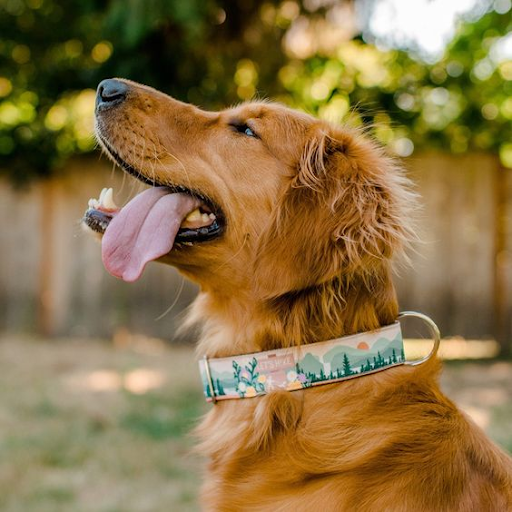
Additionally, they're used for leash attachment during walks, training, or restraining the dog when necessary. Some collars incorporate features like reflective strips for visibility in low light or GPS tracking for added security.
Properly fitted collars ensure the dog's safety and comfort while facilitating responsible pet ownership.
Pros of Dog Collars
1. Identification and Safety
Dog collars often include tags with the owner's contact information, making it easier for lost pets to be reunited with their owners. Additionally, collars can be equipped with reflective materials or lights to enhance visibility during nighttime walks, improving the safety of both the dog and owner.
2. Training Aid
Collars can be used as a training tool, especially when paired with leashes. They allow owners to gently guide and correct their dog's behavior, facilitating obedience training and teaching boundaries.
3. Accessory for Control
Dog collars provide a convenient point of attachment for leashes, enabling owners to maintain control over their pets during walks or outings. They offer a secure and comfortable way to guide and manage dogs in various environments, enhancing the overall experience of pet ownership.
Cons of Dog Collars
1. Discomfort and Skin Irritation
If the dog collars are not fitted properly or used excessively can result in discomfort and health issues like skin irritation, chafing and even tracheal damage in extreme cases. This is particularly common for breeds with delicate necks or respiratory problems like brachycephalic breeds.
2. Risk of Strangulation
Collars pose a risk of strangulation, especially if dogs are left unsupervised or if they engage in activities where the collar might get caught on objects like fences or branches. This risk is particularly concerning for dogs who tend to pull on their leashes or are left unattended in areas with hazards.
3. Limited Control
Collars may not provide sufficient control over certain dogs, especially those prone to pulling or escaping. Dogs with behavioral issues or strong prey drives may slip out of collars or resist leash training, leading to safety concerns during walks or when in public spaces. In such cases, additional training tools like harnesses or head halters may be more effective.
Dog Harness
Unlike dog collars, a dog harness is a piece of equipment that is designed to secure around your dog’s body, providing control and comfort during walks or activities. As dog collars put the pressure around the dog’s neck only, dog harness on the other side distributes the pressure evenly across the chest and back.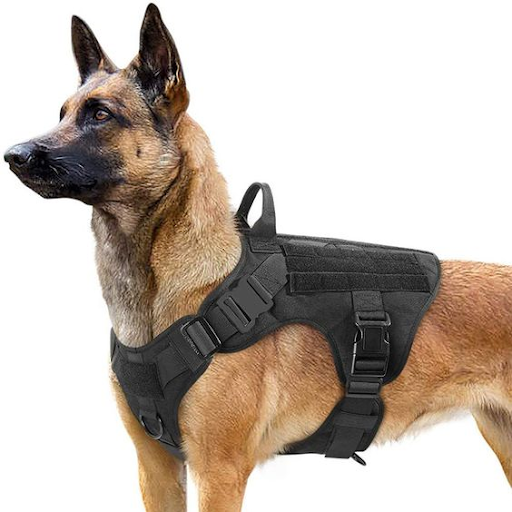
This reduces the risk of injury and allowing better control over the dog's movements. Typically made of durable materials like nylon or leather, harnesses feature adjustable straps to ensure a snug fit for various dog sizes.
They often have attachment points for leashes, enabling owners to guide their dogs without discomfort. Harnesses are essential tools for safe and enjoyable outings with canine companions.
Pros of Dog Harness
1. Improved Control
Dog harnesses distribute pressure evenly across a dog's body, reducing strain on the neck and providing better control over your pet, especially during walks or training sessions.
2. Reduced Risk of Injury
Unlike collars, harnesses minimize the risk of neck injuries, especially in breeds prone to tracheal issues or those that pull forcefully. They also prevent choking or gagging, promoting safer and more comfortable outings for your furry friend.
3. Training Aid
Harnesses can serve as effective training tools, particularly for dogs that need leash training or tend to pull. They offer more leverage for redirection and guidance, making it easier to teach proper walking etiquette and behavior.
Cons of Dog Harness
1. Chafing and Rubbing
Improperly fitted harnesses or those made of rough materials can cause chafing and rubbing against the dog's skin, leading to discomfort and potential skin irritation or sores.
2. Restriction of Movement
Some harness designs may restrict the natural movement of the dog's shoulders or chest, inhibiting their ability to walk, run, or play comfortably.
3. Escape Artist Potential
Dogs with a knack for escaping may find loopholes in certain harness designs, either slipping out of improperly secured harnesses or chewing through straps, posing a risk of fleeing or getting into dangerous situations.
What to Choose?
Both dog collars and dog harnesses have their pros and cons for your pets. But before choosing any of these, you must consider your dog’s breed, behavior (strong pulling), their health conditions like respiratory problems or any skin conditions. Evaluate all these things and then make a choice.
Although, dog harness is the most preferred one compares to dog collars. When it comes to choosing between a dog harness and a collar, it is important to keep the safety and comfort of your furry friend in mind.
Apart from this, you can use collar as a identity for your dog and harness for walks and training sessions. However, ensuring their comfort is the most important thing, so pay attention to their proper fitting to avoid any discomfort.
Besides, this if you are not able to make decision on your own, you can contact Cessna Pet Store and consult a vet and also buy collar or harness online from the store easily.


 German
 Arabic