As a responsible dog owner, ensuring the well-being of your furry friend is a top priority. Part of that responsibility involves providing them with a balanced diet that meets their nutritional needs and includes some delightful indulgences – dog treats!
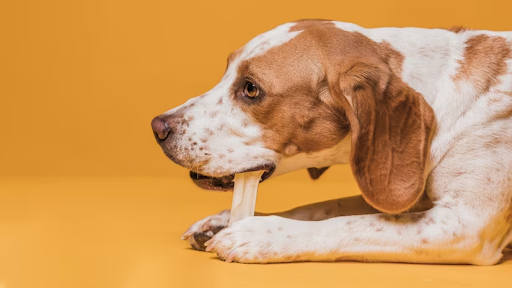
According to expert veterinarians, 10% of your furry pal’s calorie rate must come from their favorite treats. It is well-known that canines adore being rewarded for their good conduct and health maintenance. Opting for all-natural alternatives can effectively assist in controlling the buildup of tartar, managing weight, and promoting a flourishing digestive system.
Source
It is important to remember that replacing a complete meal for your pet with treats is not advisable. Overfeeding your dog with treats, especially unhealthy ones, can lead to obesity and other health issues. Be sure to choose the best dog treats and feed them in moderation to ensure they do not negatively impact your dog's health.
However, selecting the right dog treats can be overwhelming with the many available options. But fear not! This guide will walk you through a step-by-step approach to choosing the perfect treats for your beloved pup.
Why reward your canine pals with delicious treats?
1. For better training
Using pet treats as a form of reward for training has become a common practice amongst pet owners. It has been established that positive reinforcement is the most efficient training technique in encouraging our furry friends to participate in mastering new commands and showcasing appropriate conduct eagerly.

Source
Providing positive feedback and incentives encourages pets to continue performing desirable behaviors, leading to a more successful and enjoyable training experience for both the pet and the owner.
2. Destructive Behavior Prevention
Does your dog ever destroy your personal belongings or give you those pleading eyes that make it hard to reprimand them?

Source
Providing treats can greatly assist in reducing boredom, which could lead to harmful behavior such as excessive barking, gnawing, and self-inflicted injuries when left alone at home. By giving your furry companion a treat, you can keep them occupied and your home secure while attending to your tasks.
3. Nutrition Booster
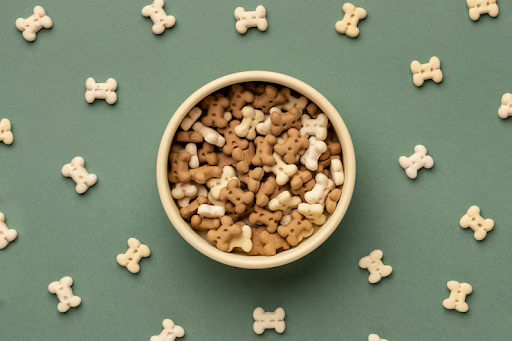
It can be easy for some dog owners to overlook the benefits of treats as a source of calories and nutrition for their beloved pets. However, it's important to note that treats can be especially helpful for underweight, highly active dogs or in recovery.
Source
Furthermore, wholesome treats can play a crucial role in supporting the growth and development of puppies during their early stages. So, it's worth considering the nutritional value of treats and incorporating them into your dog's diet accordingly.
How to Choose the Right Dog Treats?
1. Dog’s Age
If you have referred to our previous cat-related informative articles, you must know that kittens and cats have different nutrients and protein needs. Similarly, puppies and dogs and different types of dogs have different nutrition needs.

Source
Dog treats come in different shapes, softness and hardness. The texture and size of the treats you choose can impact your dog's enjoyment and safety. Larger dogs might handle bigger treats well, but smaller breeds could find them challenging to chew. Similarly, some dogs prefer soft treats, while others enjoy a satisfying crunch. Observing your dog's preferences and considering their size will help you pick treats that are both enjoyable and safe for them to consume.
2. Dietary Needs
Like humans, dogs have unique dietary requirements that vary based on age, size, breed, and activity level. Before you even start looking at treat options, it's crucial to understand what your dog needs.

Source
Consult with your veterinarian to determine your dog's specific dietary needs, including any allergies or sensitivities they may have. This information will guide you in selecting treats that align with their nutritional requirements.
3. Product Ingredients
Once you understand your dog's dietary needs, it's time to dive into the details of the treats you're considering. Always read the ingredients list on the packaging. Look for treats that list high-quality protein sources, like chicken, turkey, or fish, as the main ingredient.

Source
Avoid treats that contain excessive fillers, artificial additives, or preservatives. Natural and wholesome ingredients are your best bet for a healthy and happy pup.
4. Medical History

Source
Once again, Just like humans, dogs can have allergies and sensitivities to certain ingredients. If your dog has a known food allergy or sensitivity, be extra cautious when selecting treats. Always check the ingredient list to ensure that the treats you're considering are free from any ingredients that could trigger a negative reaction.
5. Calorie Count
While treats are meant to be enjoyed in moderation, they can contribute to your dog's daily calorie intake. Overindulgence in high-calorie treats can lead to weight gain and related health issues. Therefore, choosing appropriately portioned and not excessively calorie-dense treats is important. Your veterinarian can help you determine how many calories your dog should consume from treats based on their overall diet and activity level.
Conclusion
In conclusion, choosing the right dog treats involves more than just randomly picking up a bag from the pet store shelf. It requires careful consideration of your dog's dietary needs, preferences, and overall health. By following this step-by-step approach, you can ensure that the treats you offer are delicious and contribute positively to your dog's well-being. Remember, a happy and healthy pup is a well-treated pup!If you searching for an expert veterinarian in your city for your pet consultation, don’t look further than Cessna Pet Store. Cessna Pet Store is a one-stop solution for all your pet needs.


 German
 Arabic