Are you planning to bring a furry pooch into your family? But a real question arises: will you be able to train your dog?
You will do this by getting the new addition to your family to learn some important healthy habits and clear house rules. The training can include learning simple commands such as sit, stay, and come, as well as applying house etiquette to sleeping areas and things that he should not chew on. Each of these training will help your new pet acclimate to his new family.
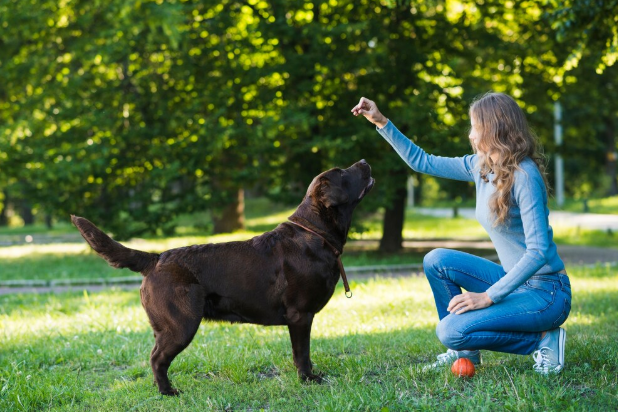
In addition to learning commands and setting the house etiquette, you should create a consistent schedule for granting rewards. This schedule will guarantee that your pet will transition smoothly while also creating a real bond between you and other family members.
Love, patience, and having fun while training will instil confidence in the pet that they are safe and valued in their new home. In this guide, we’ll walk you through essential steps to help your dog follow house rules using positive reinforcement and expert-approved methods.
Points to Take Care of While Training Your Dog
Numerous pet parents adopt several force-free training methods to teach their pets, particularly dogs, in a positive and compassionate form. In the modern world, pet parents can utilise expert advice and learn about methods for training dogs in their homes with the ease of online consultations for pets.
When determining how to train your pet, you should think of several significant ethical and practical considerations, such as:
- Clear Communication - Use clear signals, expressive body language, and consistent actions to convey your message to your dog. Clear communication creates clarity that facilitates a mutual understanding, which assists your pet in learning cues and expectations contained within the cues.
- Patience - Each dog will carry a unique time frame for picking up a skill and/or behaviour. Some dogs may learn a command quickly, while other dogs may take weeks or even months to learn. Patience is specifically important in this process since frustrations can inhibit learning and damage your dog's self-esteem.
- Understanding Body Language - Dogs communicate mainly through body language, such as tail movement, ear position, and body posture. Improving your ability to read these cues will provide you with deeper insight into your own pet’s emotional state, which can then inform your response when interacting and help you adjust your training approach if necessary.
- Consistency - A reasonably simple way to prevent confusion for your dog is by having a consistent training regimen. Training in the same order, using the same parts of speech consistently, and utilising the same reward for a specific behaviour will create a much clearer learning environment for your pet and will help your dog learn better and more confidently.
Utilising these foundational principles will not only make your training more successful but will further your trustworthiness and deepen your relationship with your pet.
Rules to Follow While Training your Dog
In addition to these important issues, it is important to be aware of some specific house rules for a pet-friendly space. These house rules will not only improve your living situation but will also help to foster a positive relationship between you and your pet.
Setting firm boundaries around your furniture is one of the most important things you can do to ensure harmony in the home for you and your dog. Decide early what will and will not be allowed, be it the couch, your bed, or specific chairs, and then stick to it.
Reward your dog when you catch them making good decisions. If your dog's behaviour is inconsistent, award them treats or praise when they do not jump on off-limits furniture or when they settle on their designated bed or spot. Use redirection methods or (if needed) the command "off" to communicate boundaries and limits without inflicting stress.
If the couch is high on your dog's list of comfort locations, calmly gingerly redirect them to their bed and reward them for settling in. Do your best to provide plenty of interactive dog toys for your dog to play with, helping their urge to lounge on your furniture. Eventually, with multi-faceted, consistent training, your dog will know when they are welcome and when they are not!
Having clean habits regarding using the bathroom is an important part of creating a clean home. You can train your dog to use potty pads located in selected areas of your home or in a specific area of your yard or outdoor area.
Take your dog to the potty pad location or the potty area after meals and at the end of playtime so that your dog learns to associate those specific areas with going to the bathroom. Don’t just allow your dog to walk around freely to find a place to go to the bathroom. This may lead to accidents and confusion about where to relieve themselves.
If dogs know they have to go to a specific area or location to use the bathroom, they will have better hygiene habits, and you won’t have to worry so much about cleanliness indoors or outdoors.
Teaching your dog to wait patiently at their feeding area before it is mealtime is an essential rule that encourages good behaviour. Not only does this exercise help your dog gain self-control, but it also keeps things orderly while they are waiting to eat.
To get started, have your pet dog sit or stay at their feeding spot while you prepare their meal. You can give a verbal cue such as, "Wait." Once your dog remains calm and patient, you can reward them with dog treats or praise for their patience until you release them to eat.
After completing the routine a few times, your dog will begin to have some calmness and expectation associated with eating time. The goal is to use this routine as a way to create a more controlled feeding time.
By incorporating these detailed techniques into your daily routine, you will create a more organised and enjoyable living space for both yourself and your beloved pets.
Ending Note
In addition to the above guidelines, creating a calm environment without barking, not allowing begging at mealtimes, and not engaging in rambunctious wrestling indoors is part of the key to good manners for your dog.
However, even after trying your best, your pet still has behavioural issues; you may consider scheduling a visit with our knowledgeable vets. You can also train your furry pet using training products from Cessna Pet Store, which help them with behavioural aids. Our vets will provide valuable suggestions, help create individualised recommendations, and address behavioural gaps, ensuring that your pet learns how to engage in a well-mannered manner and does it in a fun, enthusiastic way at the same time.


 German
 Arabic