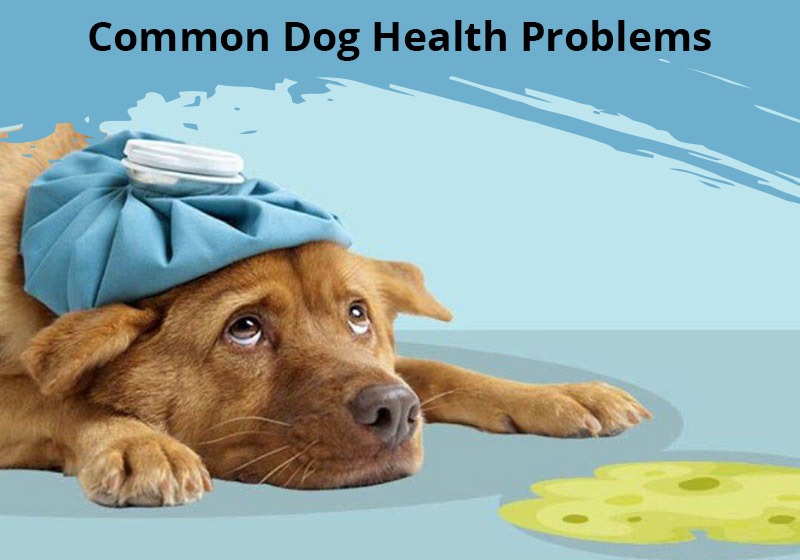
Pets are like small babies who need extra care and love. But we also cannot deny the fact that our beloved furry friends bring immense joy and companionship into our lives, making it imperative for us to ensure their well-being.

Just like humans, dogs can suffer from a variety of health issues, ranging from minor discomforts to more serious conditions. As our four-legged pals cannot narrate their health issues, it is our responsibility to understand their health issues by the symptoms they start to show.
In this informative blog, we will understand the most common canine health problems, their symptoms and treatments, which will help us provide the best health care to our canine companions.
1. Cardiac and Respiratory Medication for Respiratory Issues
Cardiac and respiratory issues can include congestive heart failure, bronchitis, and asthma. These conditions can cause difficulties in breathing, coughing, and reduced energy levels.
Medications prescribed by veterinarians might include diuretics to reduce fluid buildup in the lungs or blood vessels, ACE inhibitors to dilate blood vessels and improve blood flow, and bronchodilators to alleviate breathing difficulties.
Symptoms
- Difficulty in breathing
- Coughing even in sleep
- Swollen belly
- Bluish or pale gums
- Excessive panting
Treatment
Urinary medications, AKA Diuretics, are prescribed the most in such cardiac problems as they help dogs' bodies eliminate excessive urine by increasing urine production. ACE inhibitors dilate blood vessels and bronchodilators to ease breathing. Lifestyle modifications, such as weight management and controlled exercise, are also crucial.
2. Skin and Coat Medication for Skin-related Issues
Topical treatments involve applying products directly to the skin and fur. Spot-on flea and tick preventatives are commonly used to protect dogs from infestations. These treatments contain insecticides that kill or repel parasites.
Additionally, medicated sprays and creams can provide relief from skin irritations and infections caused by allergies or other factors.
Symptoms
- Hair loss
- Skin irritation
- Flea and tick inflation
- Itching
Treatment
Regular application of spot-on flea and tick preventatives to protect against pests. Medicated shampoos and sprays can help alleviate skin issues and promote a healthy coat.
3. Ear and Eye Medication for Hearing and Conjunctivitis Issues
Ear and eye infections can cause discomfort and affect your dog's overall well-being. Ear medications, often in the form of drops or ointments, target bacterial or fungal infections.
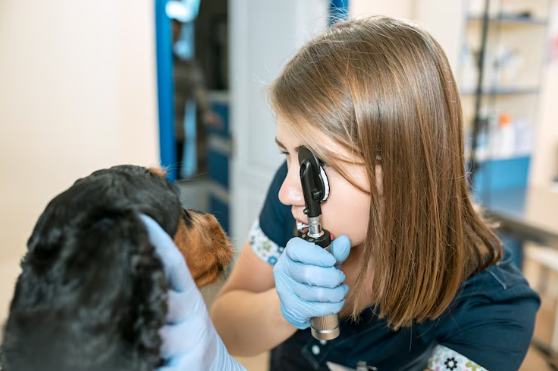
Eye medications, including drops and ointments, address issues such as conjunctivitis and corneal ulcers. These treatments help clear infections and alleviate symptoms.
Symptoms
- Reddish eyes
- Continuous discharge from eyes
- Head shaking (ear infection)
- Excessive rubbing of the ear against the floor or wall
- Hair loss around the ears
- Walking in circles
Treatment
Prescription ear and eye drops or ointments to treat infections. Regular cleaning and grooming can help prevent issues.
4. Liver Medication for Liver Issues
Liver diseases can be very dangerous for your canine companions. Early recognition of liver disease is crucial in dogs as it can result in seizures, coma, and even death if left untreated. Timely medical intervention can help ensure that your furry friend gets the necessary care they need to recover from this common condition.

Symptoms
- Jaundice (yellowing of skin/eyes)
- Lethargy
- Loss of appetite
- Vomiting
- Increased thirst
Treatment
Medications to support liver function, manage symptoms, and treat underlying conditions. A veterinarian might recommend a special diet.
5. Joint Medication for Issues like Arthritis and Other Joint Issues
Arthritis and joint problems are common, especially in older dogs and certain breeds. Joint medications typically contain glucosamine and chondroitin sulfate to promote joint health and reduce pain and inflammation. Non-steroidal anti-inflammatory drugs (NSAIDs) might also be prescribed to manage pain associated with joint issues.

Symptoms
- Limping
- Stiffness
- Difficulty getting up or walking
- Hesitation to exercise.
Treatment
Glucosamine and chondroitin supplements promote joint health. Anti-inflammatory medications and weight management can also help manage arthritis.
6. Kidney Medication for Digestive Issues
Chronic kidney disease is a prevalent condition that older dogs often suffer from, and it can be challenging to detect due to its gradual development. The initial symptoms may be mild and can easily go unnoticed or ignored.
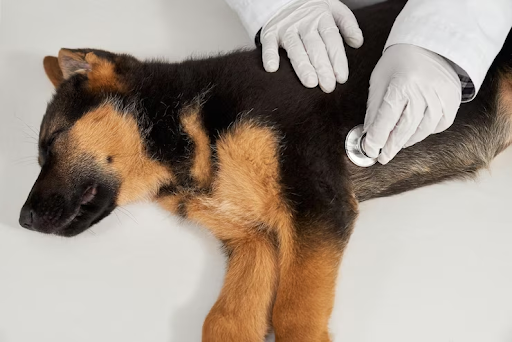
It is worth noting that dental problems can lead to chronic kidney failure in older dogs. The reason is that bacteria can enter the digestive system and gradually decrease kidney function over time.
Symptoms
- Increased thirst
- Frequent urination
- Lethargy
- Decreased appetite
- Vomiting
Treatment
Medications to manage kidney disease, dietary changes to reduce stress on the kidneys, and fluid therapy as needed.
7. Multi-Vitamin and Minerals Supplements
These supplements aim to provide essential nutrients that might be lacking in your dog's diet. They can include vitamins like A, D, and E, as well as minerals like calcium and magnesium. Proper supplementation helps ensure your dog's overall health and vitality.
Symptoms
- Can vary based on nutrient deficiency
- Poor coat quality
- Lethargy
- Digestive issues
Treatment
Multi-vitamin and mineral supplements under veterinary guidance to address specific deficiencies.
8. Anxiety and Stress Management for Anxiety Issues
Anxiety and stress can be triggered by various factors, including separation, loud noises, or changes in routine. Behavioral training and environmental modifications can help manage anxiety. Calming supplements or medications might also be prescribed for severe cases, helping dogs feel more at ease.

Symptoms
- Excessive barking
- Pacing
- Restlessness
- Destructive behavior
- Changes in appetite
Treatment
Behavioral training, environmental enrichment, calming supplements, and in severe cases, anti-anxiety medications prescribed by a veterinarian.
9. General Medication
General medications encompass a wide range of treatments based on specific health issues. Pain relievers, antibiotics, anti-inflammatory drugs, and more fall under this category. The type of medication prescribed depends on the diagnosis made by a veterinarian.
Symptoms
- Vary based on the condition being treated
- Can range from pain to infections
Treatment
Prescription medications based on the specific diagnosis, including antibiotics, pain relievers, and anti-inflammatory drugs.
10. Pre and Probiotics Medication
Prebiotics and probiotics play a vital role in maintaining a healthy gut. Prebiotics are non-digestible fibers that nourish beneficial gut bacteria, while probiotics are live microorganisms that promote gut health. These supplements support digestion, immune function, and nutrient absorption.
Symptoms
- Digestive issues
- Diarrhea
- Flatulence
- Bad breath.
Treatment
Probiotic supplements promote healthy gut flora and prebiotics to support their growth. These can help alleviate digestive problems.
Final Say
Understanding these common canine health problems, their symptoms, and treatments can empower you to recognize potential issues early and provide the appropriate care for your furry friend.
However, it's essential to consult with a veterinarian before initiating any treatment, as they can provide tailored recommendations based on your dog's specific needs and health history. Regular veterinary check-ups and proactive care are key to ensuring your dog's overall well-being.
If you are looking for the best pet pharmacy in town for your furry friends, Cessna Pet Store is the one you should visit and for expert veterinarians, Cessna Lifeline is your destination
Thanks for reading!!!


 German
 Arabic